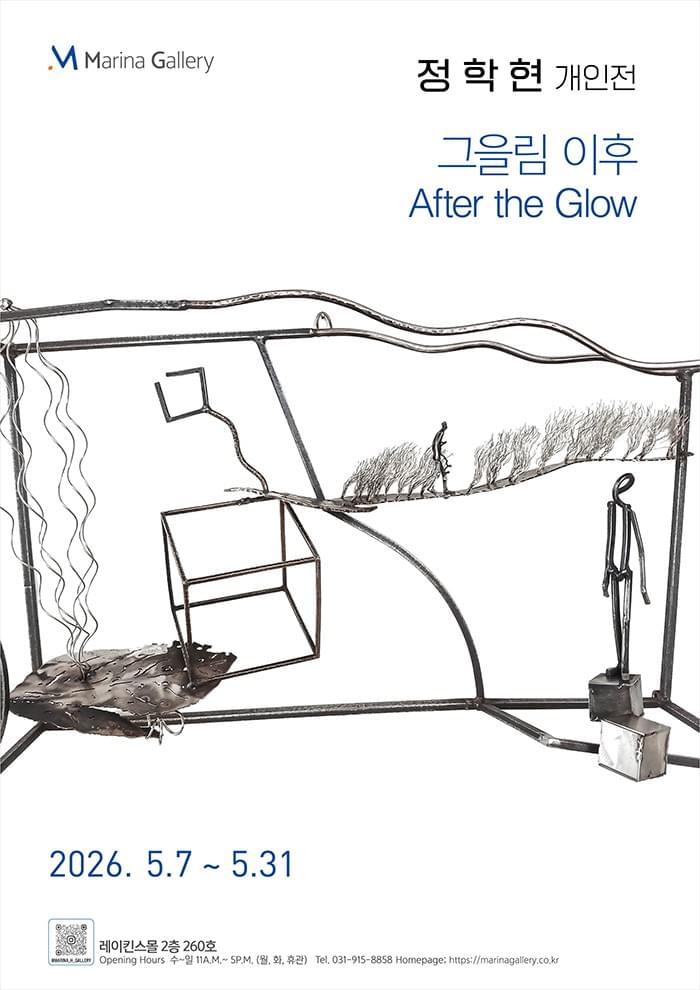
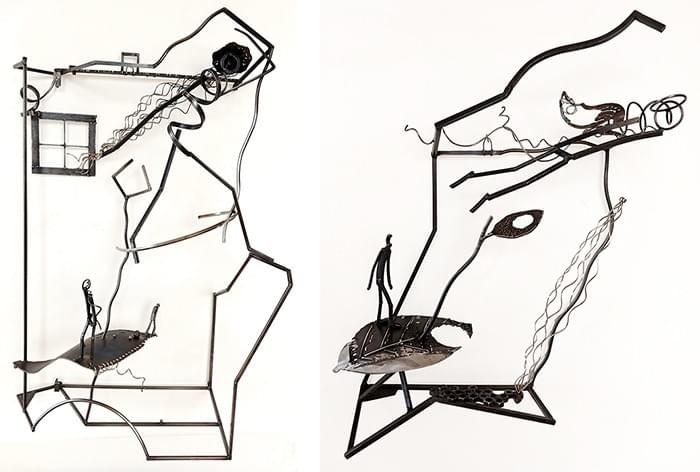
Artist Jung Hak-Hyun has been exploring the physical properties of iron (metal, one of the five elements in Eastern metaphysics) for more than twenty years. In his latest exhibition, titled "After the Glow", we see "paintings" where iron is used instead of paint. The result lies somewhere between a painting and a sculpture, with additional layers of shadows added by the lightning of the gallery space. It is worth noting that from a philosophical point of view, metal is the toughest and most difficult to manipulate element, a symbol of Stoicism and personal integrity.
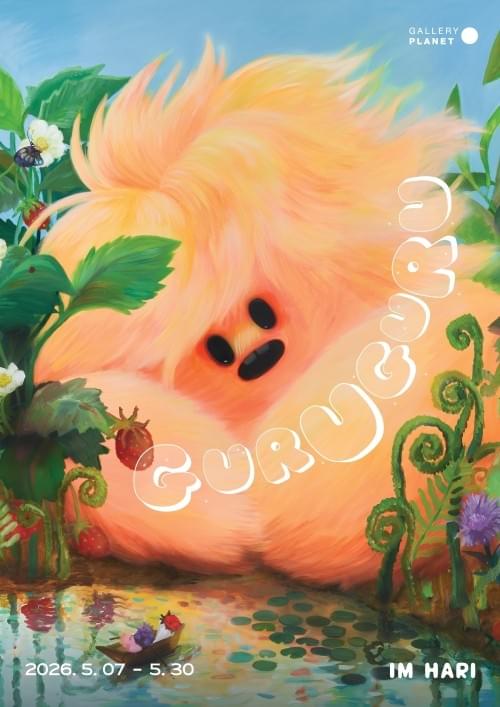
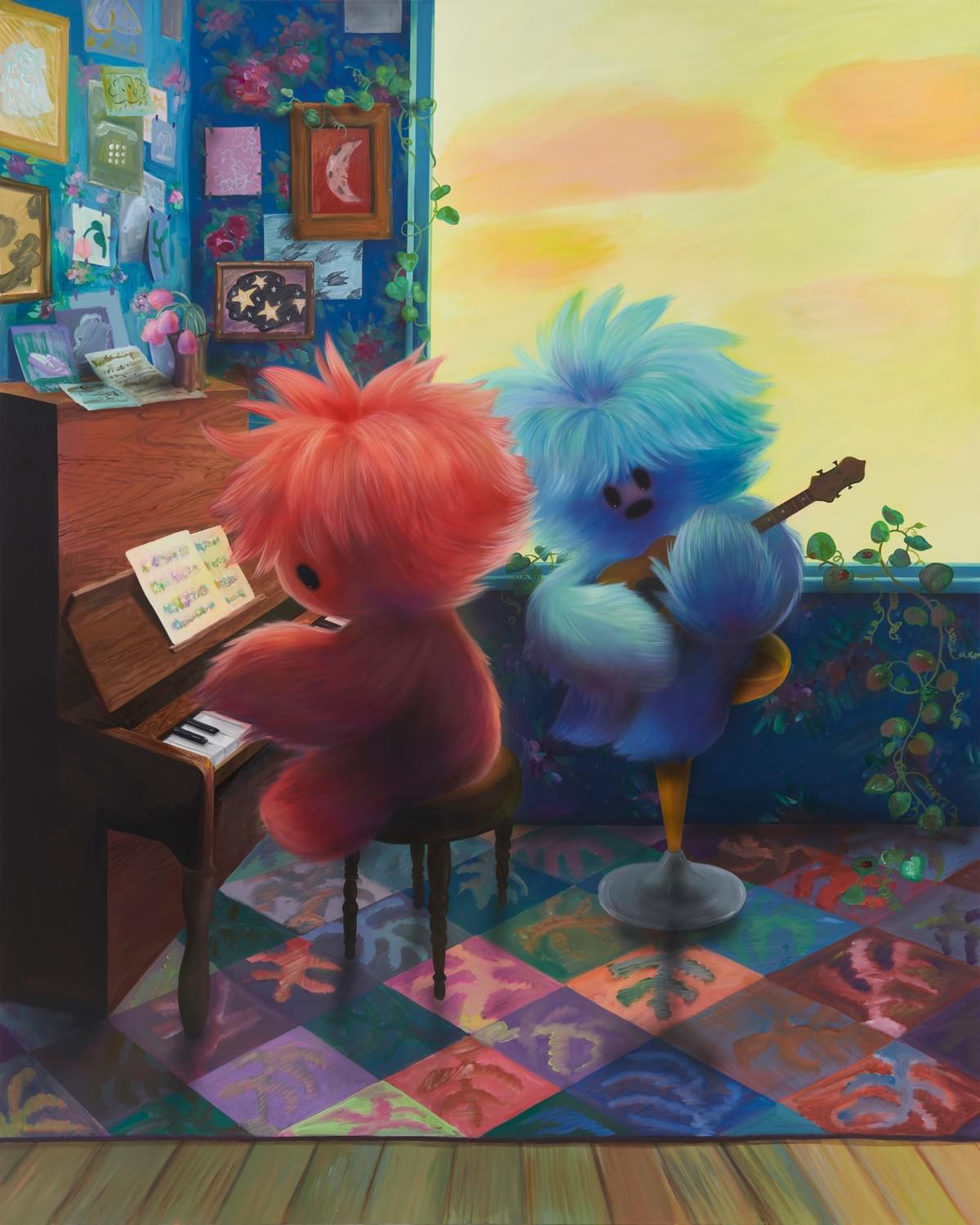
"Guruguru" by Im Hari invites us to dive into the imaginary world of the artist, populated with fairytale creatures that are and aren't us, humans. The use of cute characters as stand-ins for humans is a long-standing practice in contemporary Asian art and part of the "kidult" genre of cultural products. Such imaginary child-like creatures are relatable but seem to lack the flaws of humans, thereby occupying a convenient middle ground. The story that inspired the artist is her own pregnancy. This life event marked the end of a side of her that was marked by naiveté and purity. At the same time, the arrival of her newborn and the games they play as part of the raising process made her re-discover a more child-like side of her. In a sense, we all spend our lifetimes in this in-between space where adult sobriety and child-like purity meet to balance one another.

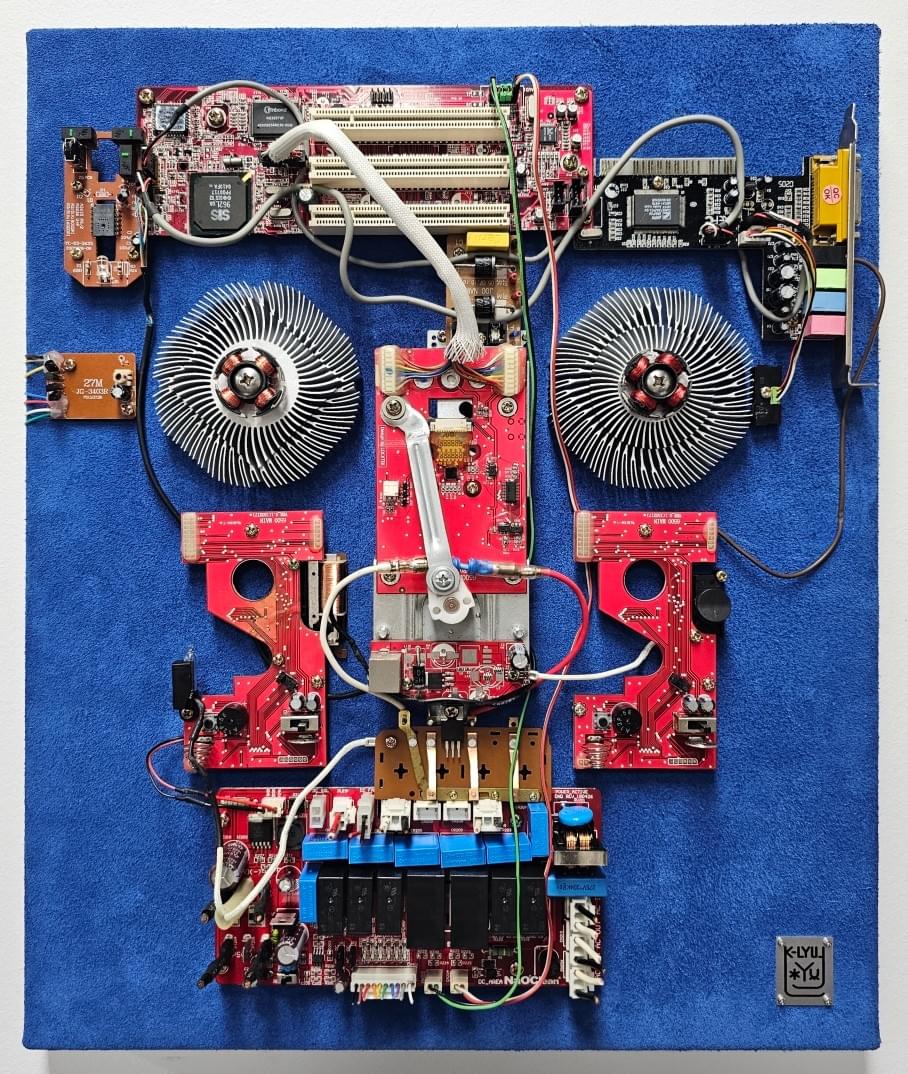
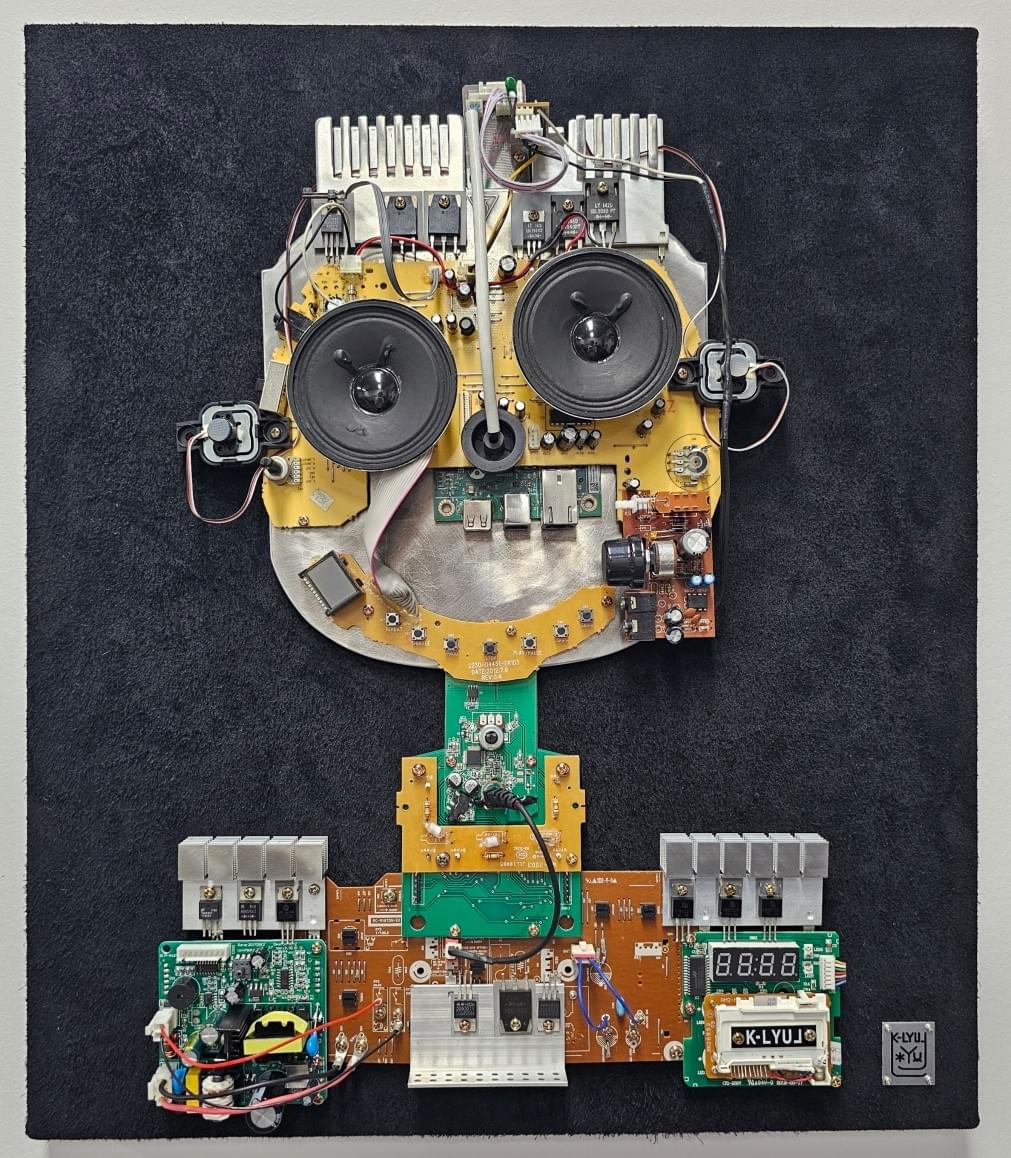
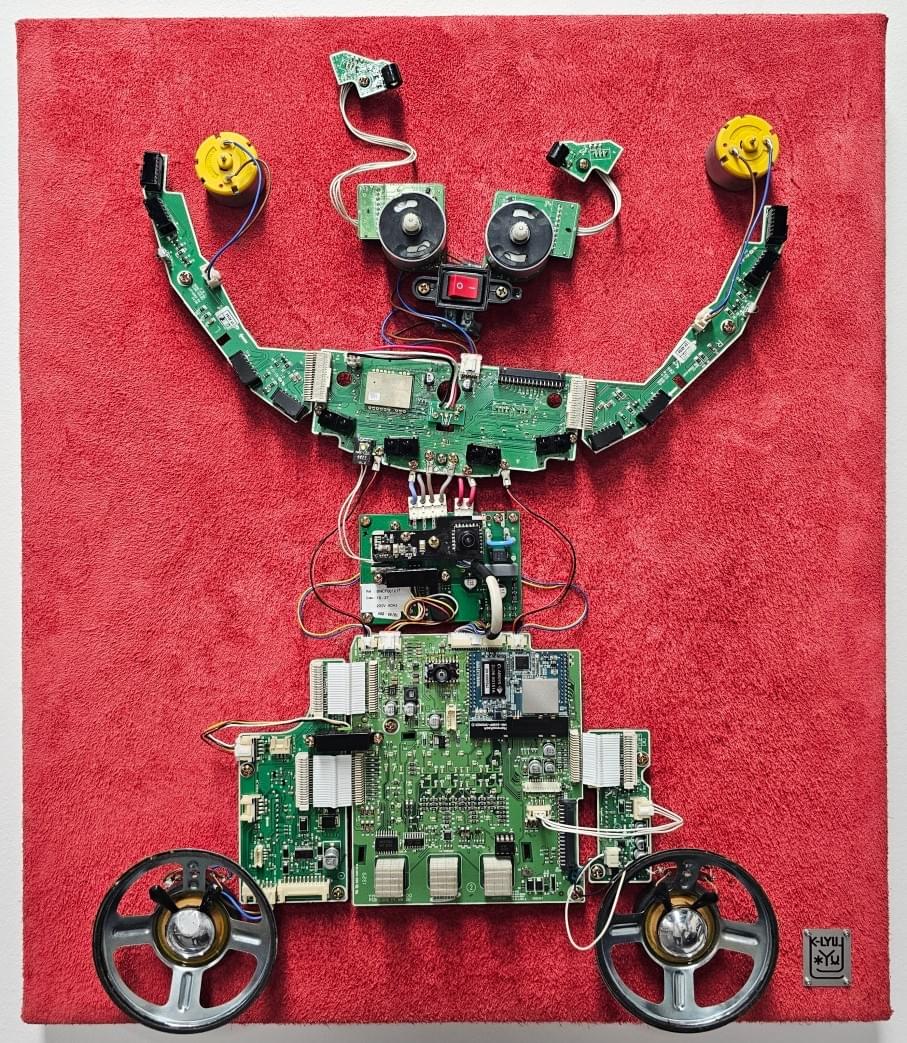
"After Human: A Piece of Everyday Life" by Kim Kyung-Ryul explores the afterlife of electronic components after they are discarded and replaced with newer devices. The newly assembled works carry a double meaning - their own and the past meaning of their components. The story is two-layered - the present and combined past. The final product is a visualisation of, a reference to, recycling and sustainability.
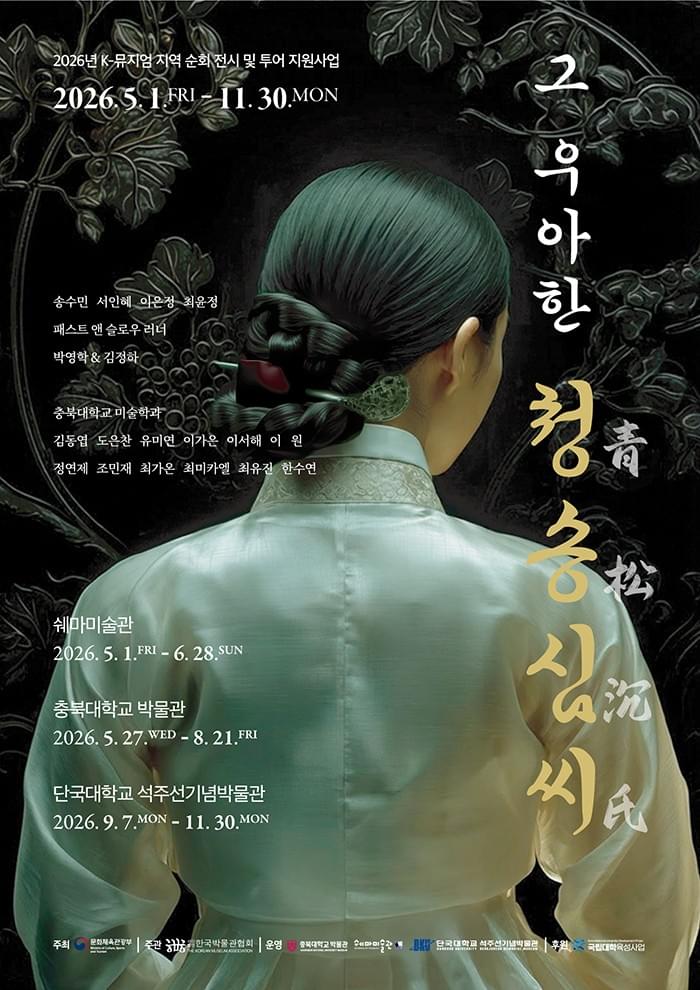
Chungbuk National University Museum, Seokjuseon Memorial Museum, and Shema Museum collaborate to shed light on the clothing of women during the Joseon dynasty (particularly the period 1683-1718). The exhibition is based on recently excavated (in 2003) artefacts from the Kim Won-Taek Cemetery and aims to reexamine the life of women in this historical period against the political and cultural background of the time.
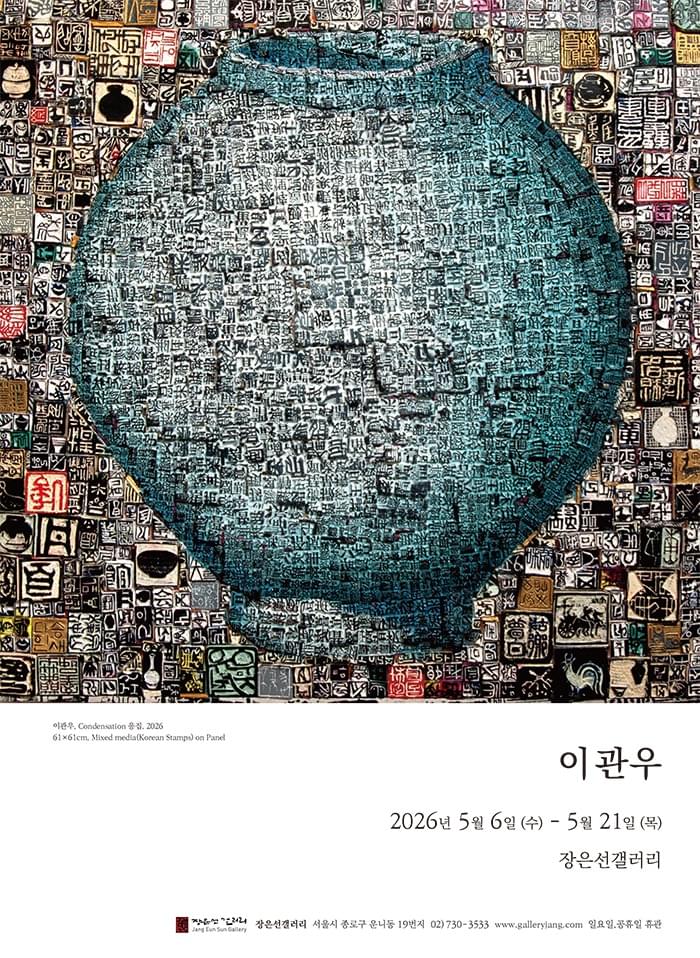
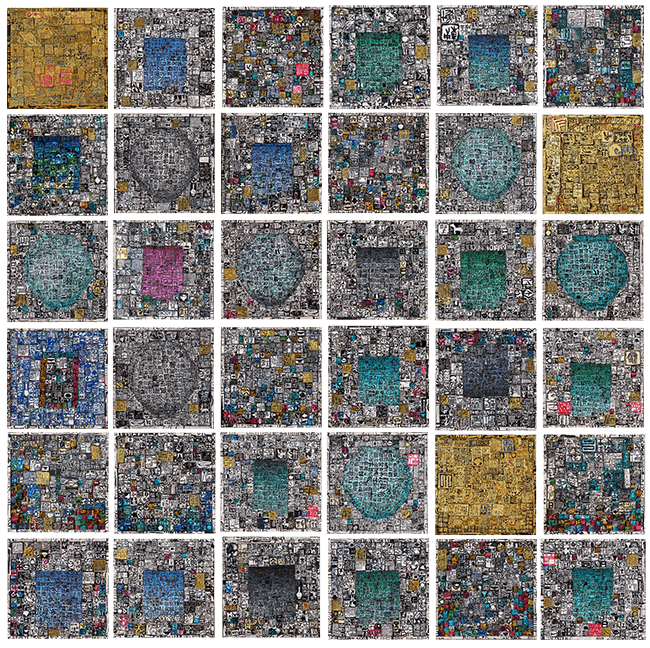
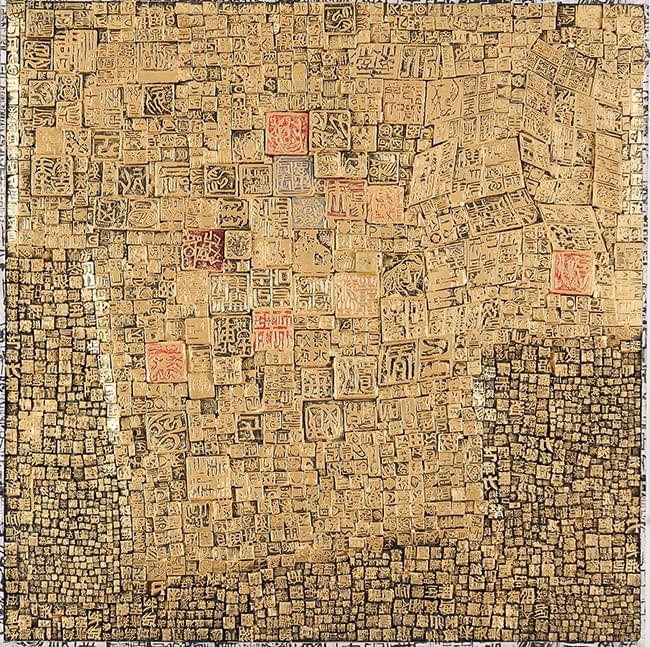
Lee Gwan-Woo's latest exhibition consists of artworks whose building blocks are the traditional Korean stamps used to sign documents and prove identity. The artist aggregates tens of thousands of stamps to visualize the social networks of the past and the present, the relationship between the individual and the collective. He has participated in more than 100 art fairs in major cities around the world, including New York, London, and Hong Kong.
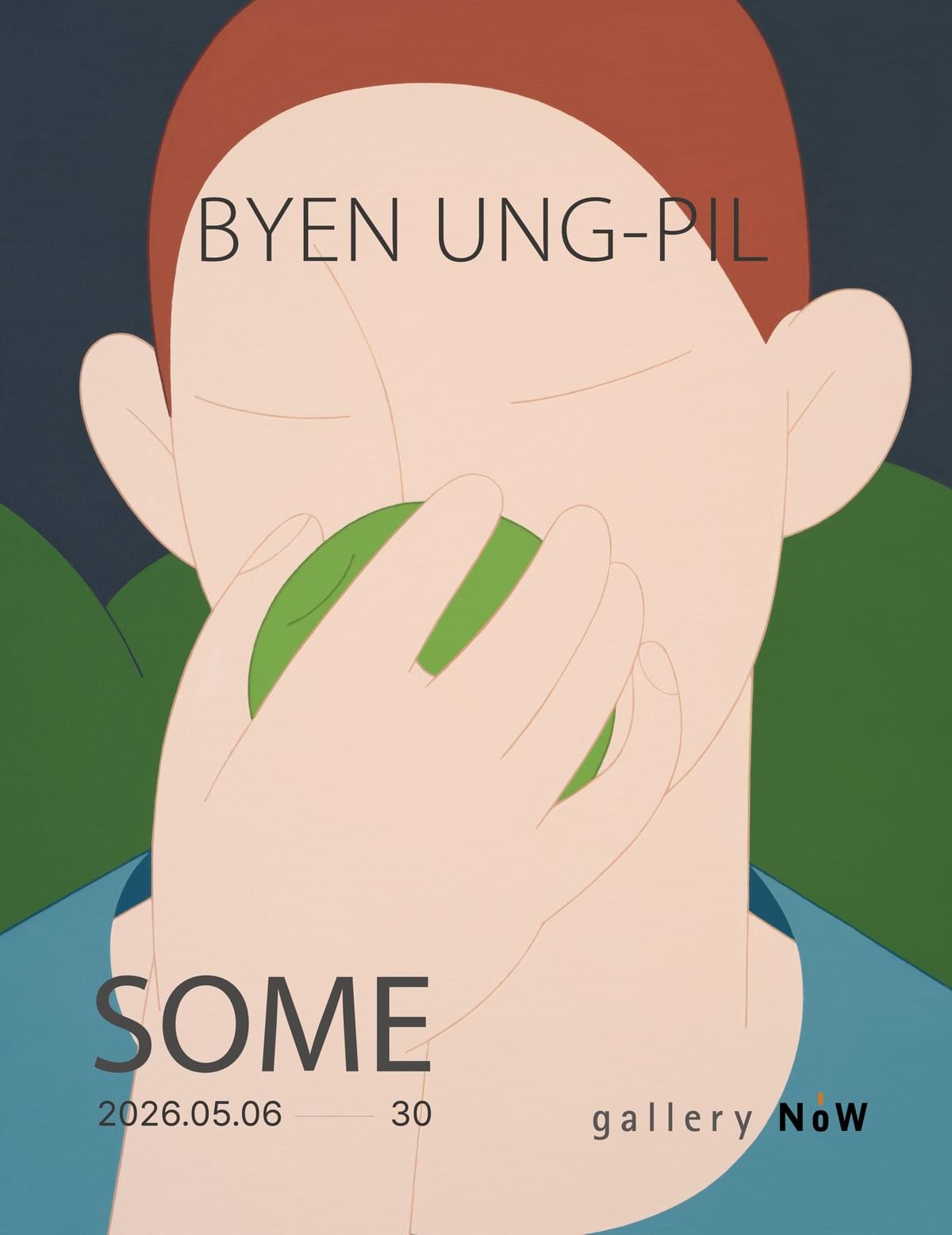
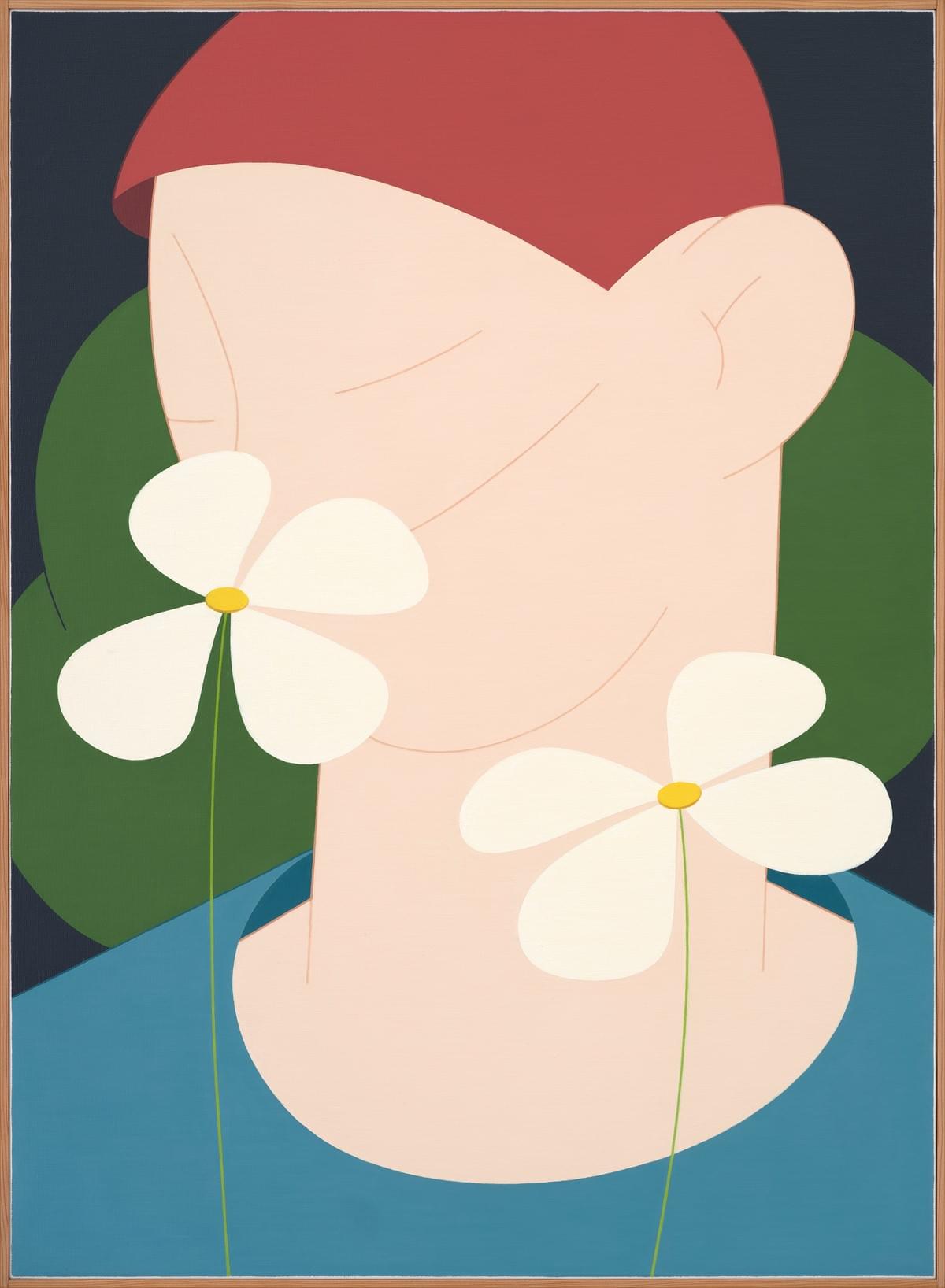
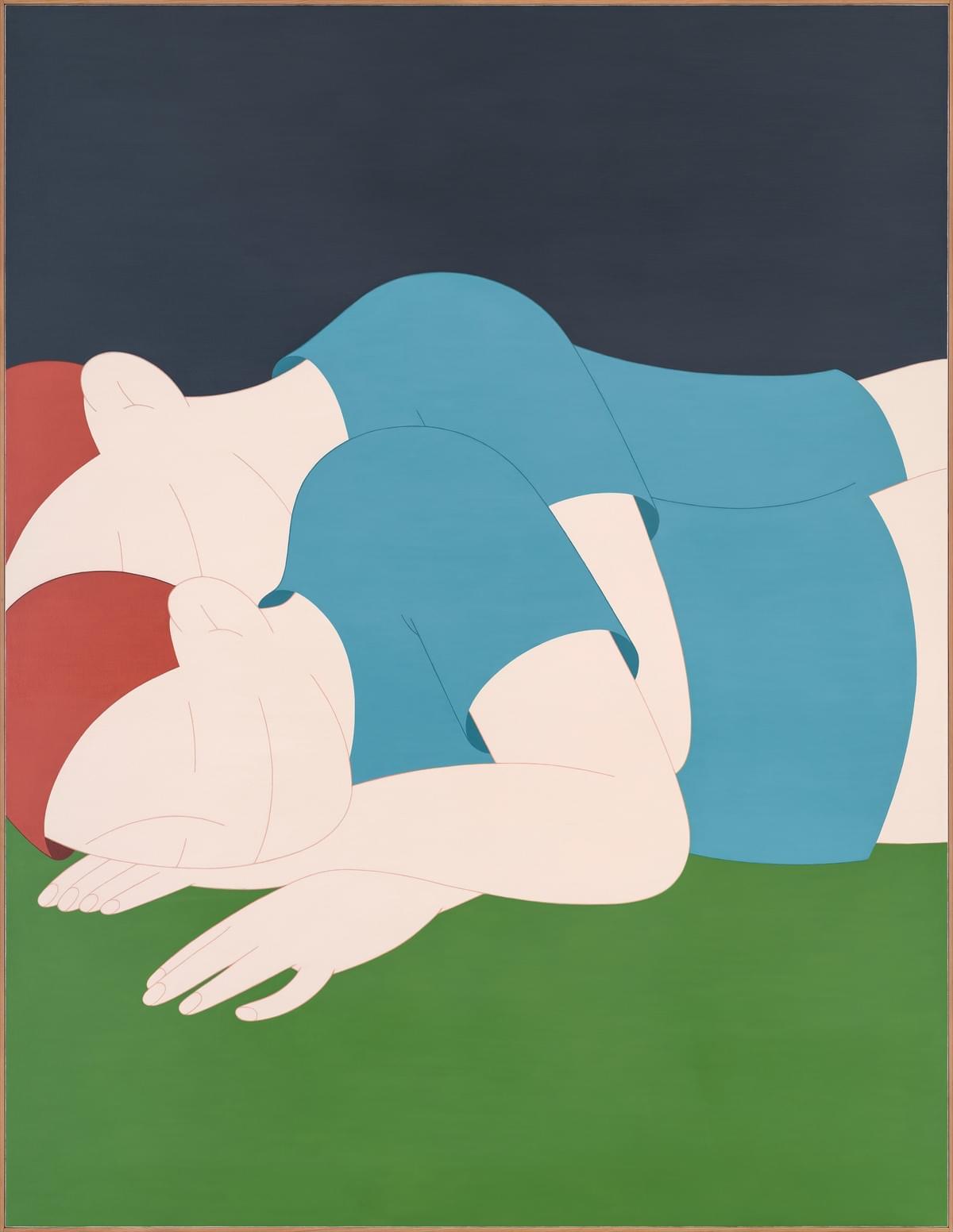
Byen Ung-Pil's "Someone" explores the interesting sensation when you see something or someone clearly but you do not understand the meaning of what you see. For example, when someone is smiling - is it a real smile, or a fake one, or just a drawn face. The vision is clear but to determine the meaning of what we see is a different thing altogether. In the midst of some conversation, we sense something but we can't put our finger on what exactly this gut feeling is. In the same way, his paintings are clear and simple - one big face, frontal view, no detail to get lost into - yet, we are not sure what the face is telling us. For some this feeling of ambiguity and uncertainty may be uncomfortable but the artist urges us to embrace it and not be disturbed by it.
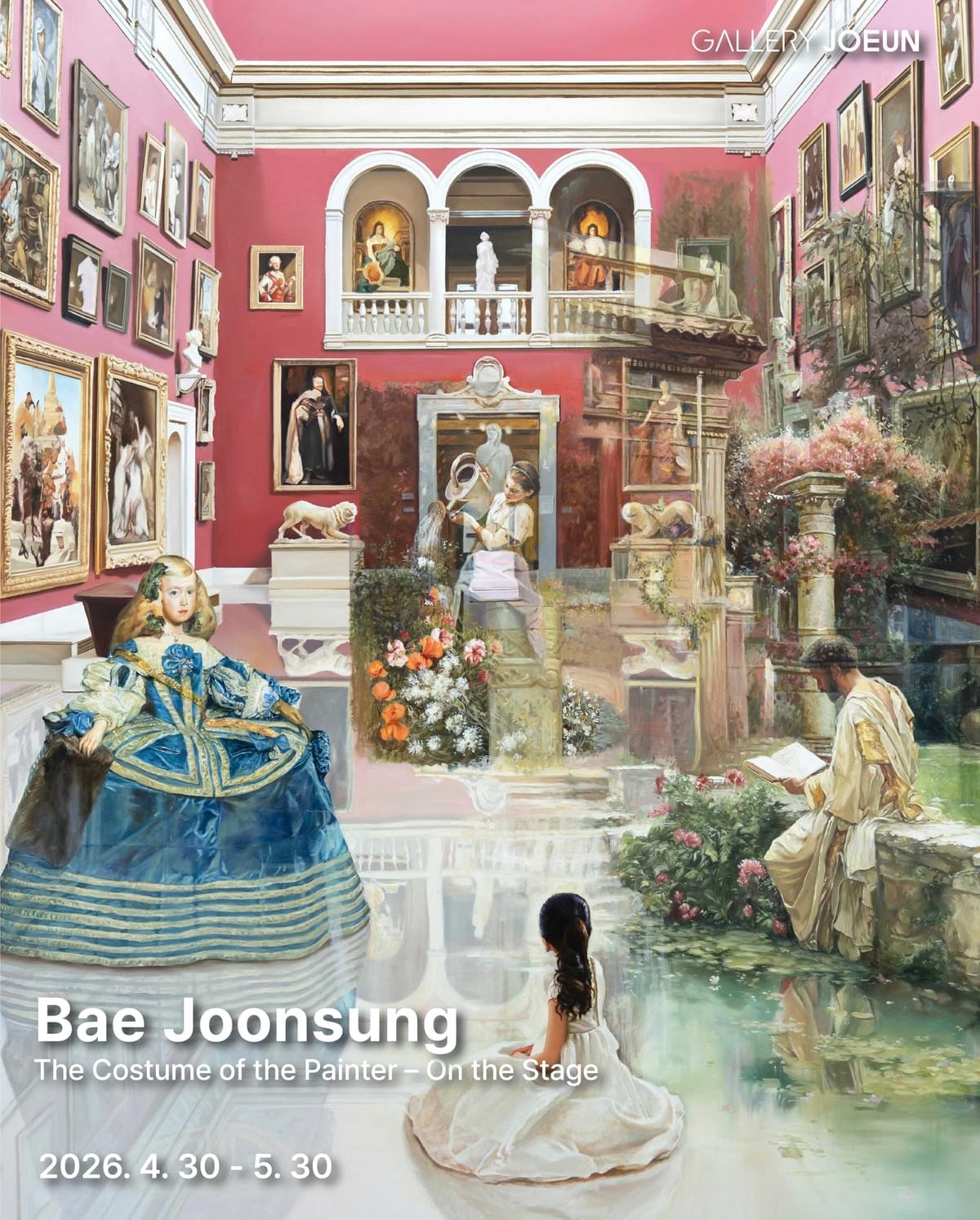
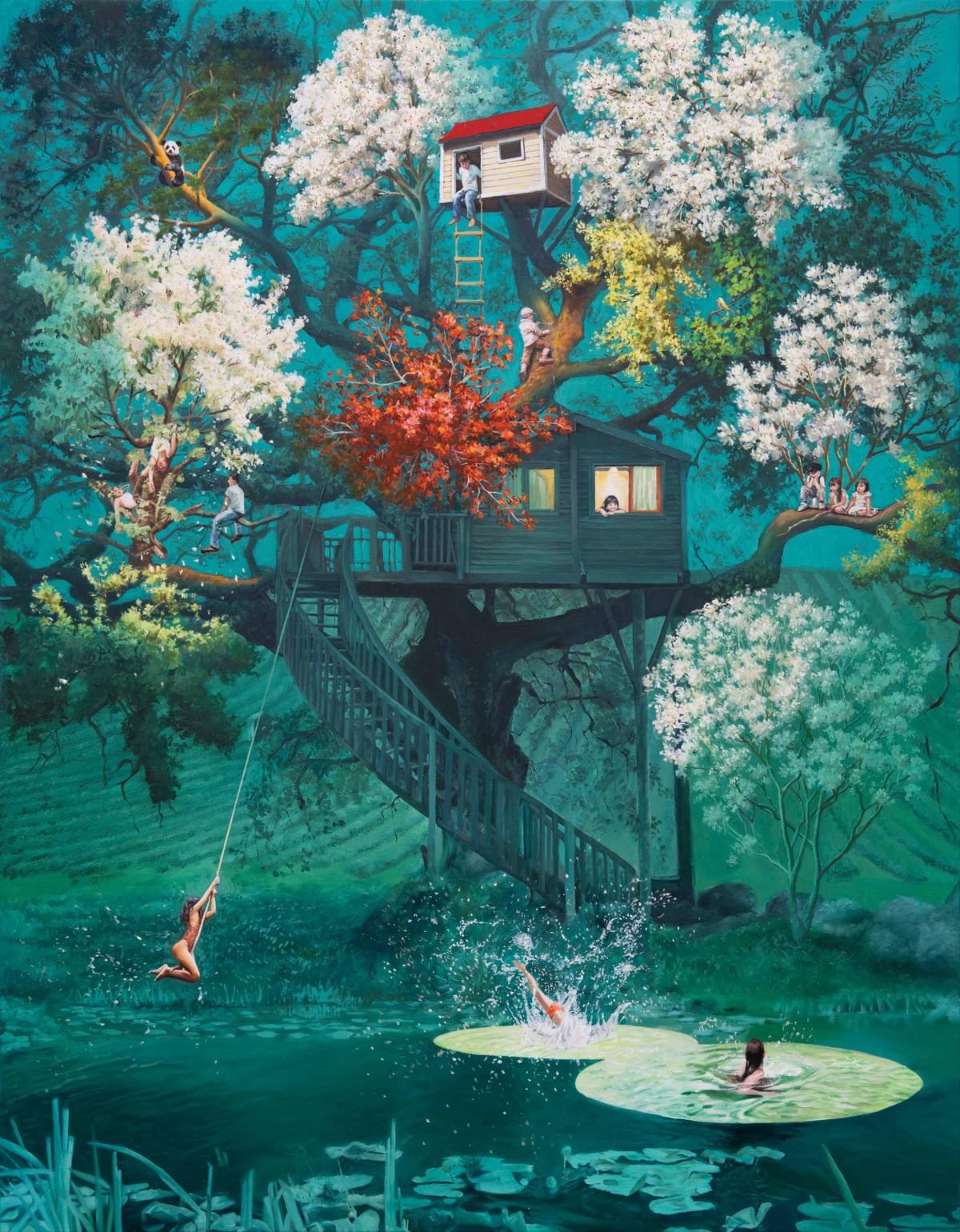
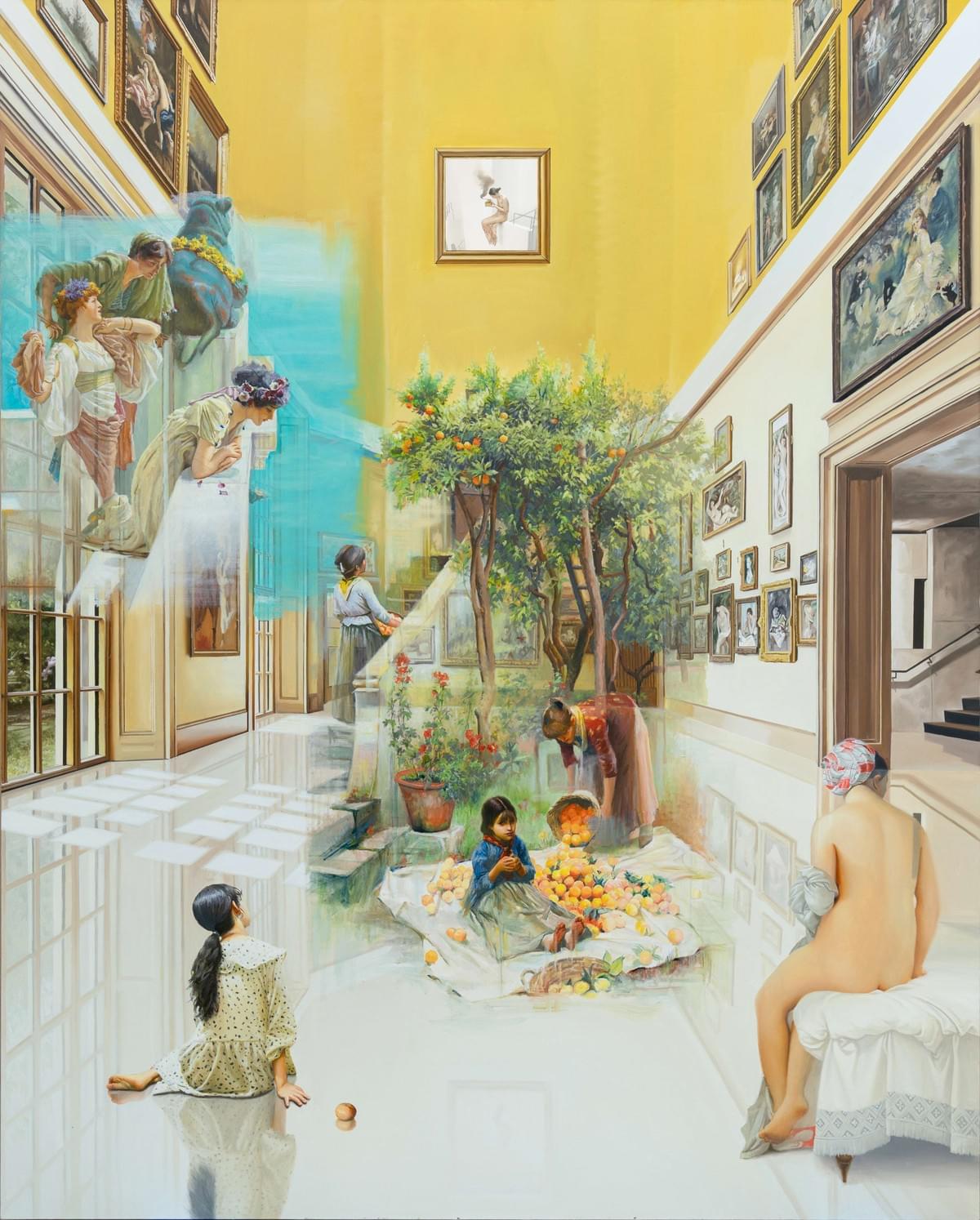
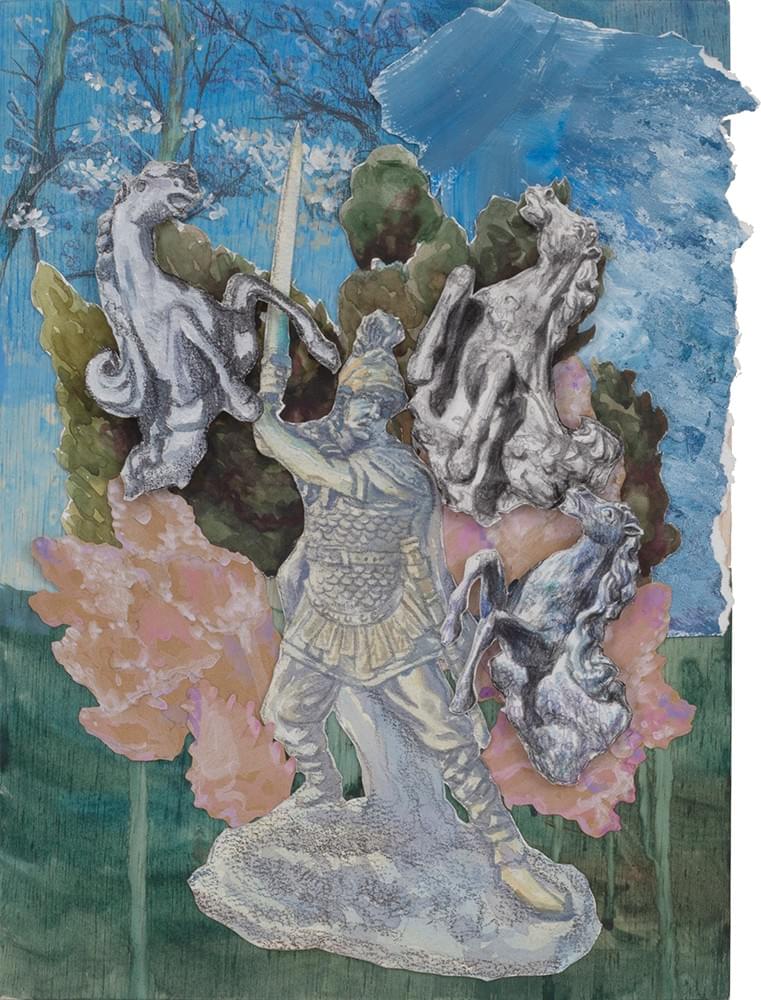
"The Costume of the Painter – On the Stage" by Bae Joon-Sung turns paintings into a visual feast for the eyes. Looking at his works, classical paintings are called into mind but they are reconstructed in contemporary space-time. The result is a tension in which the painting is constantly reimagined. The artwork becomes a process not an object that can be consumed in one go. His works have been shown at major international art fairs (Frieze, Art Basel) and have attracted the attention of international collectors such as LVMH Group's President Bernard Arno, Carling Group's Chairman Francois Pinot, and actor Brad Pitt.
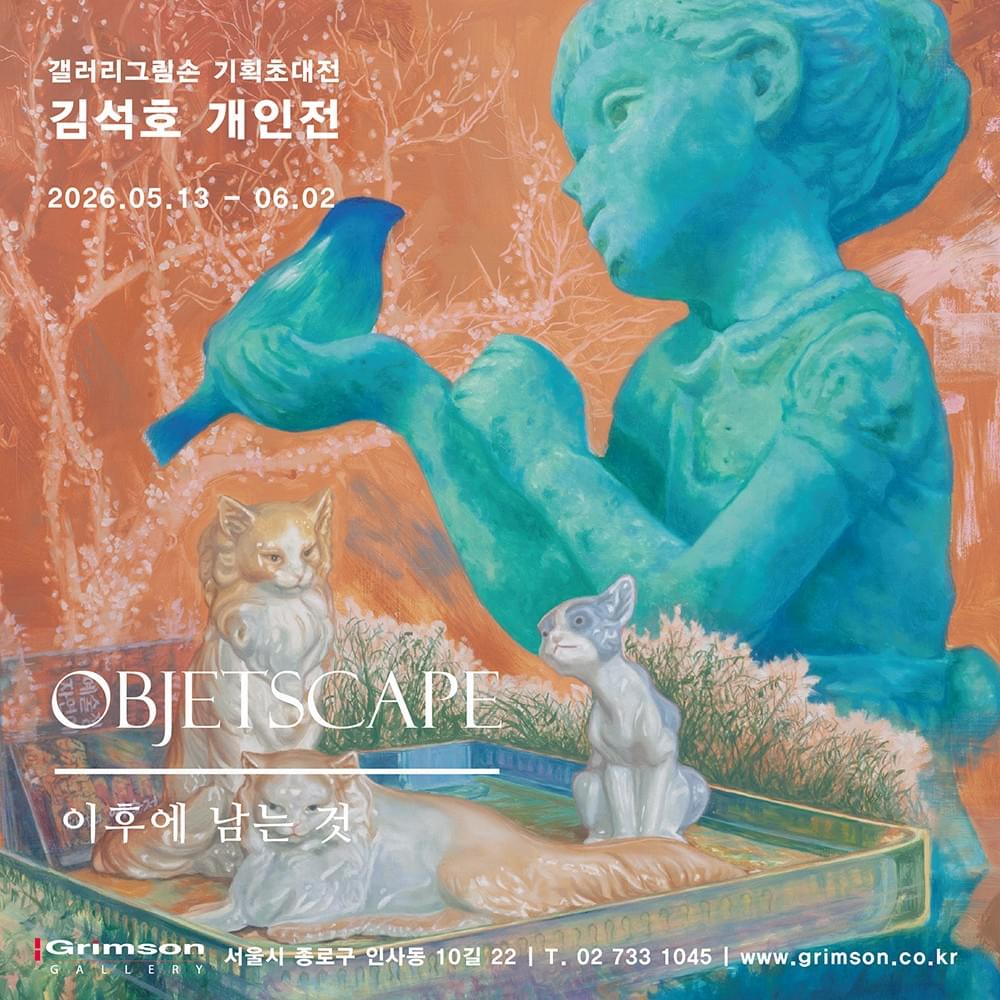
On a somewhat similar note, Kim Seok-Ho's "Objectscape" examines the process through which fragments of events are compiled into the memories that remain after them. The recorded images are cut and superimposed, forming new relationships within a single image, and in this process memories, emotions, and psychological afterimages are cross-linked in new ways. The memory that remains long after the event has passed is a whole new product.
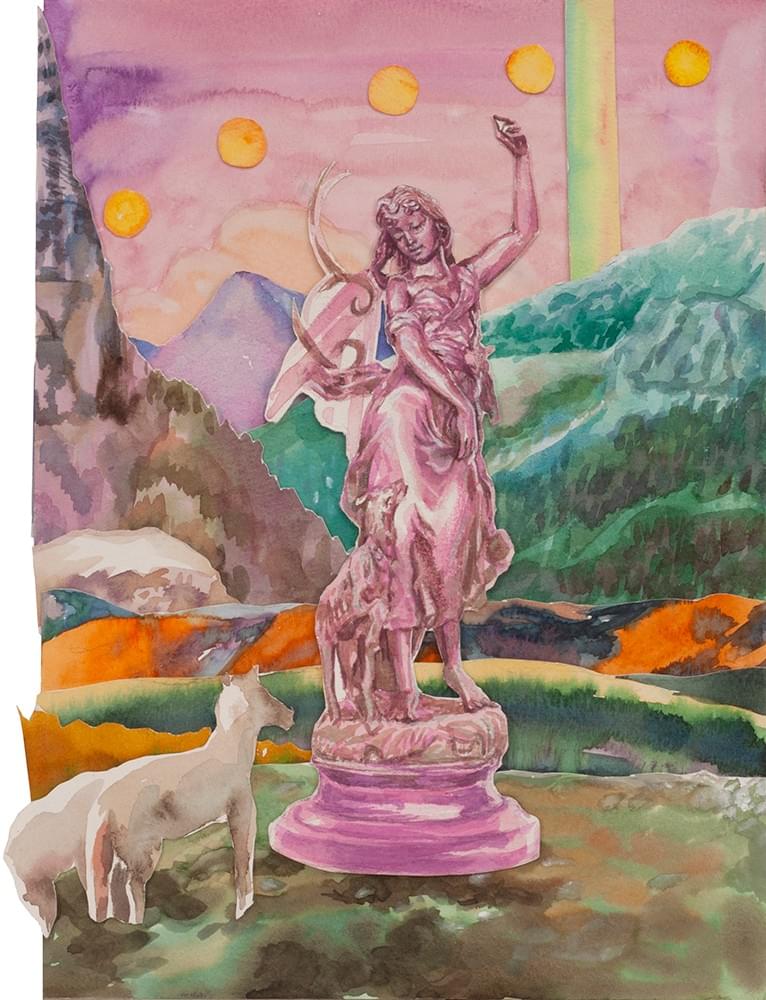
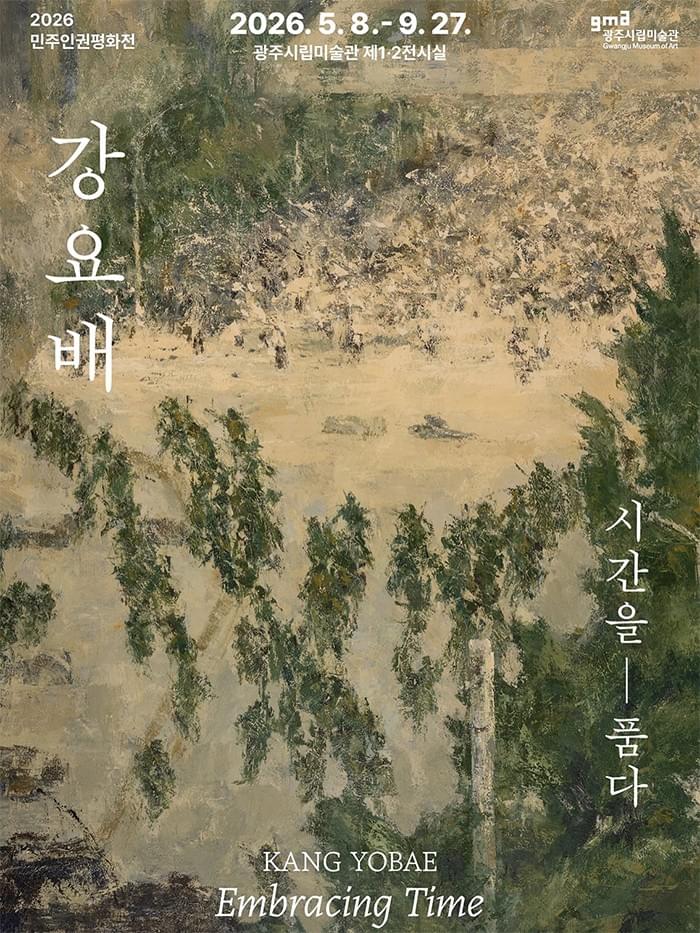
Kang Yobae's "Embracing Time" is a large-scale retrospective exhibition to commemorate the 50th anniversary of the artist's first solo exhibition. It explores the developments on the Korean art scene throughout his career and his creative response to them. From Korea's "meeting" with Western Abstraction to the pro-Democratic movement - he has lived through it all and in this retrospective show offers his artistic interpretation of these events.