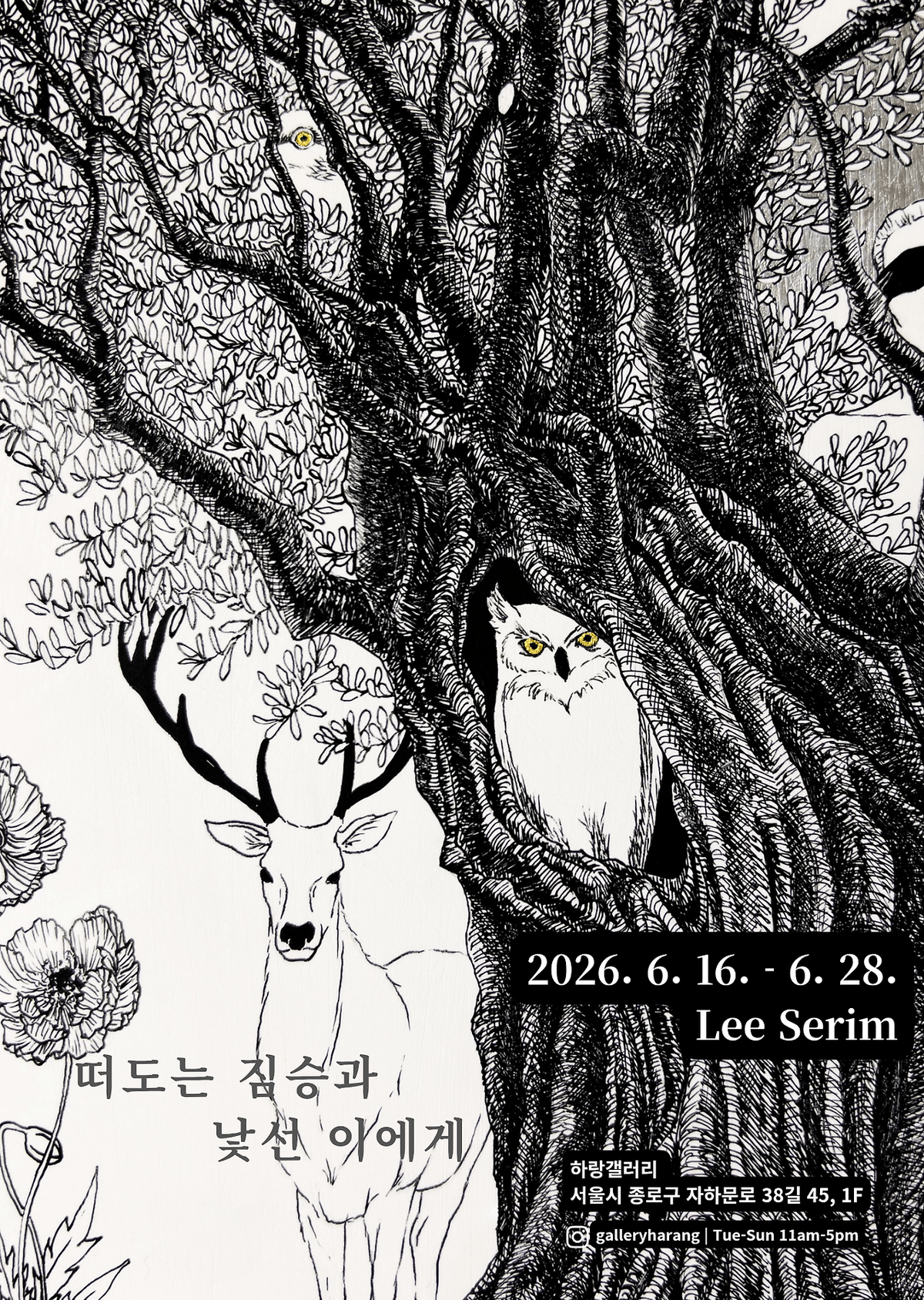
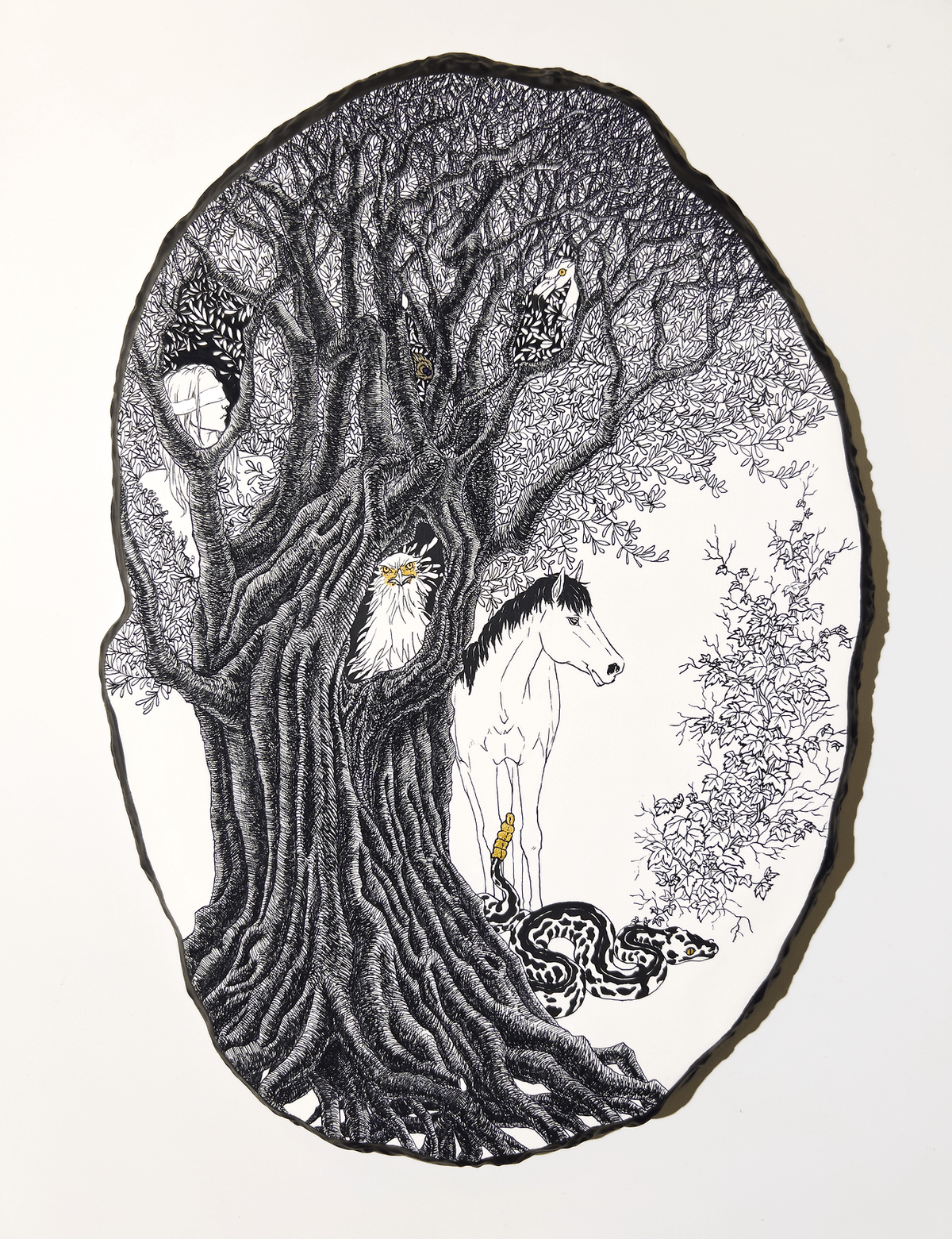
Lee Serim's “To the Floating Beast and the Stranger” traces of sensations and unconscious visions accumulated in the body's memory over the course of our lives. The artist explores how they intertwine and intersect to leave us with only a vague sensation of what they are all about. Her work reflects her message - scenes that clearly remind us of something but we are not sure what that is and even if it is one specific life event or a whole storyline. The exhibition invites us to explore the elusive intersection of what actually happened, what we think happened, the undercurrent that ran under the surface, the long-term meaning and deeper consequences. Ultimately, the show is a homage to the workings of our mind and psyche.
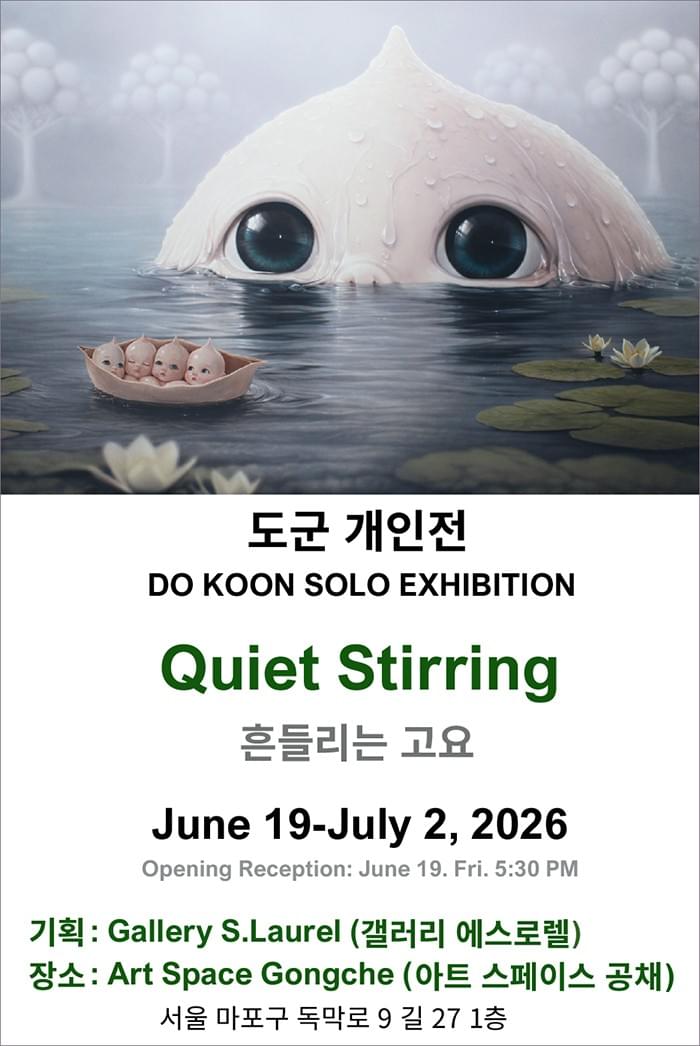
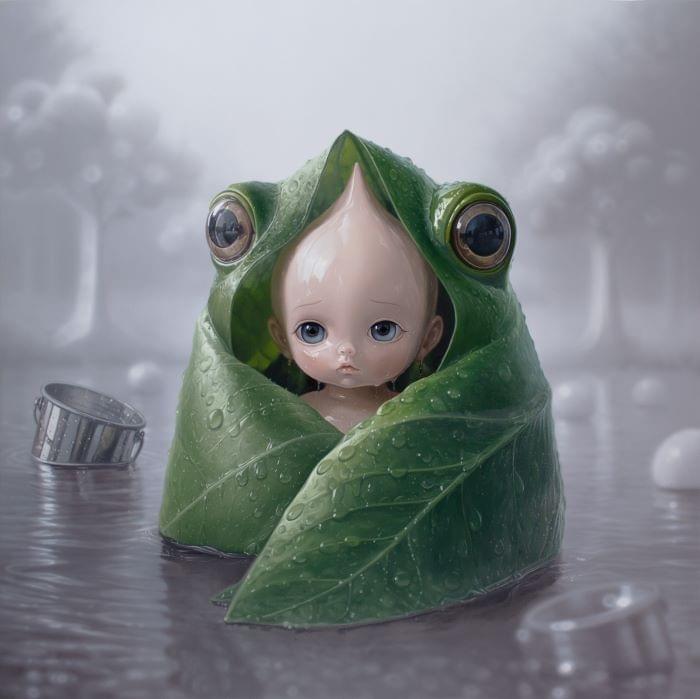
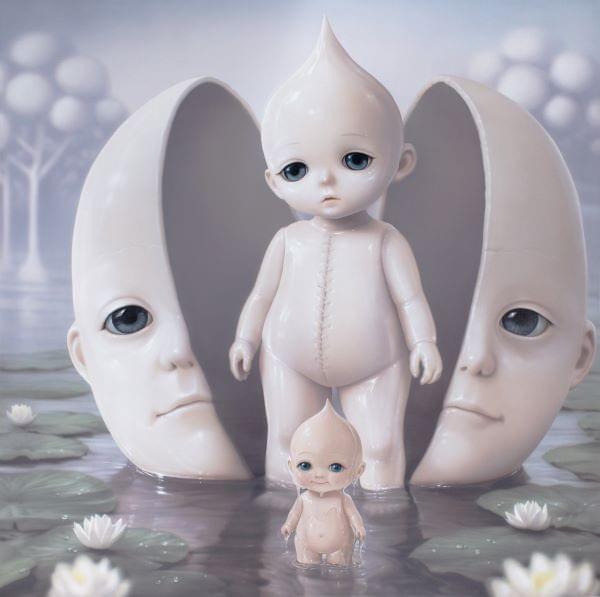
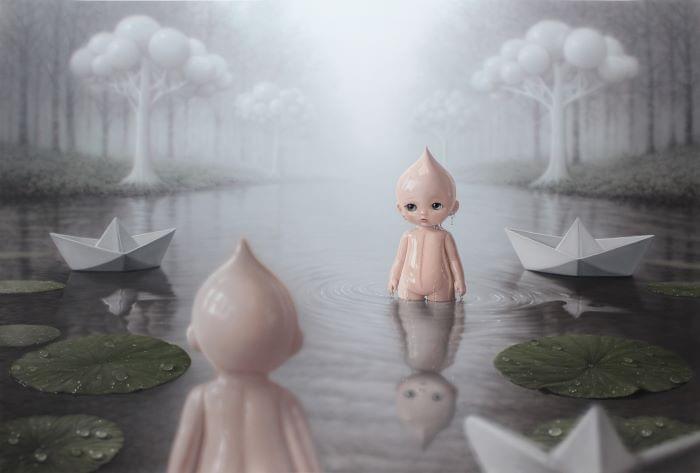
Do Koon's "Quiet Stirring" continues on a somewhat similar note but with more focus on emotions rather than memories. The main character, the doll, is seen as an empty canvas on which the viewer can project anything they want. In a way, the viewer writes the story over the doll in the same way in which we also write over people when we cross paths with them. A doll is a human-shaped object - a human but not really; a half-human. The artworks move from the concept of the doll in her safe space to the doll all out in the open, naked, exposed, no longer the sole character. In a way, as we go through life, life reveals us and we change to reflect the understanding that we are one of many.
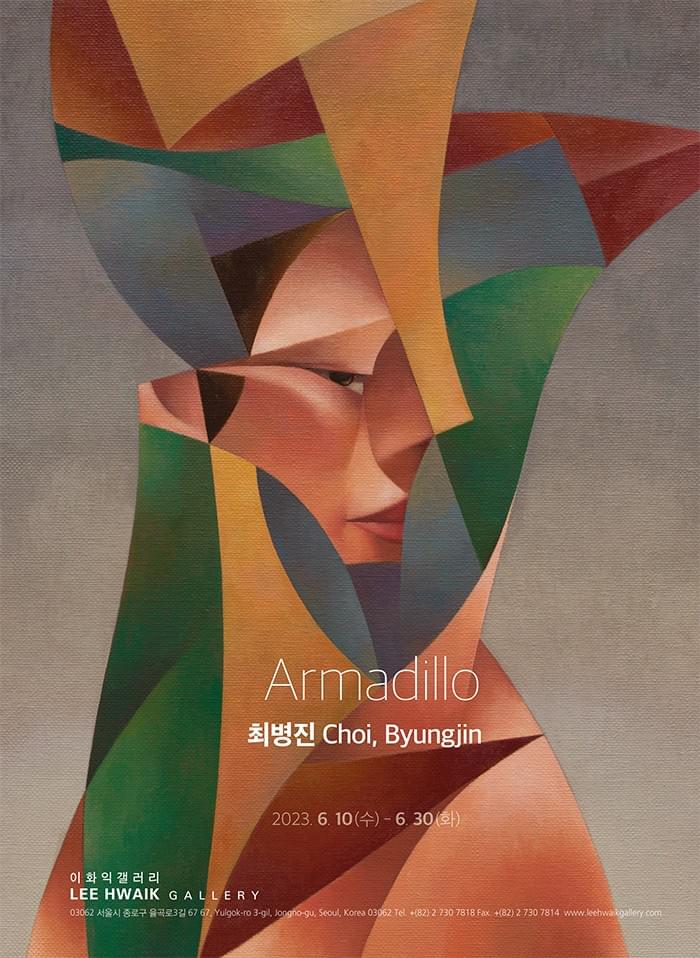
Choi Byung-Jin's "Armadillo" explores self-protection in the face of omnipresent anxiety - a mirror of contemporary society. The Cubism-style "edgy" geometric shapes remind of unease and discomfort from all the contradictions of post-modernity. As the traces of organic connections become ever vaguer, we wrap ourselves in protective layers that both soothe us and isolate us. Our emotions, our lessons become parts of our physical bodies - literally, some experiences are embedded in our DNA. The artist invites to reflect on our own experiences and how they have shaped us. Is there anything we are ready to let go of?
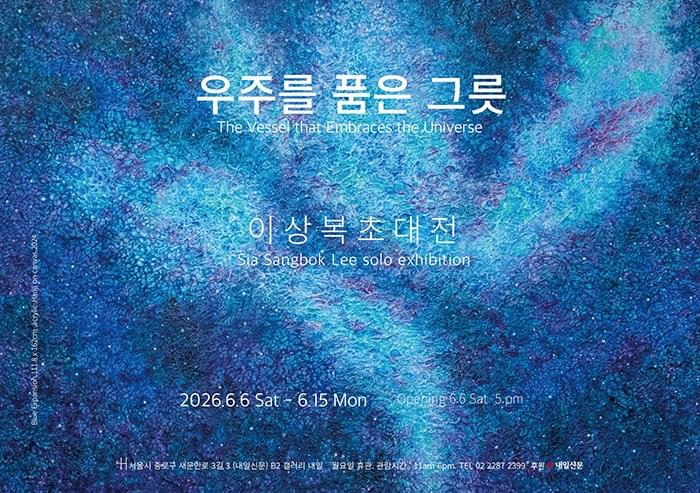
Lee Sang-Bok's "The Vessel that Embraces the Universe" explores the Buddhist concept of interconnectedness. As all things in the Universe are interdependent, what's my role in the whole story? How am I in the Universe and how is it in me? As Buddhism is going through a revival in Korea, this exhibition tries to bridge that with the growing interest in space exploration and technology.
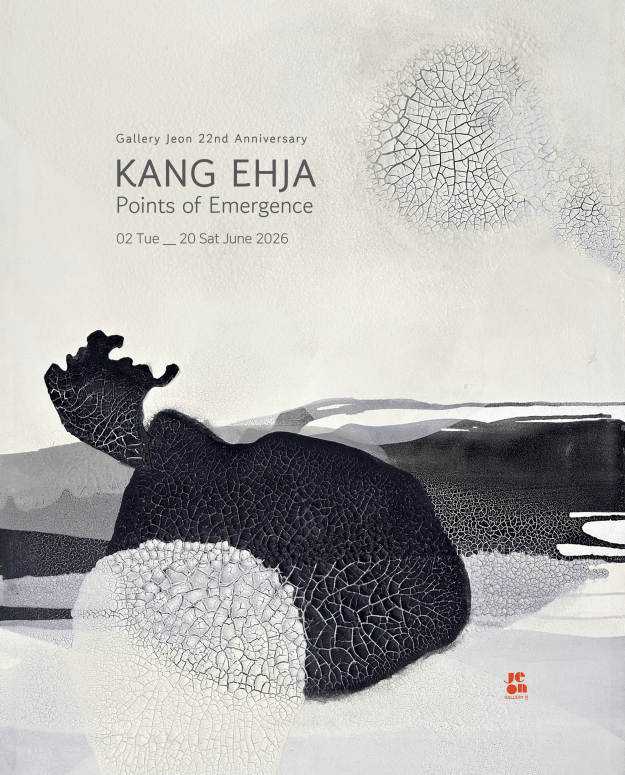
Kang Ehja's "Points of Emergence" wants us to think about layers of time and the accumulation of repetitions. Reality as a pattern. Reality as an outcome of laborious repetitions. One wonders if the cracks and openings in her works are the result of acts of creation or of destruction and therein lies the message of the exhibition - are these two really any different. Like Yin and Yang - creation and disappearance, tension and release, physicality and immateriality are interconnected.
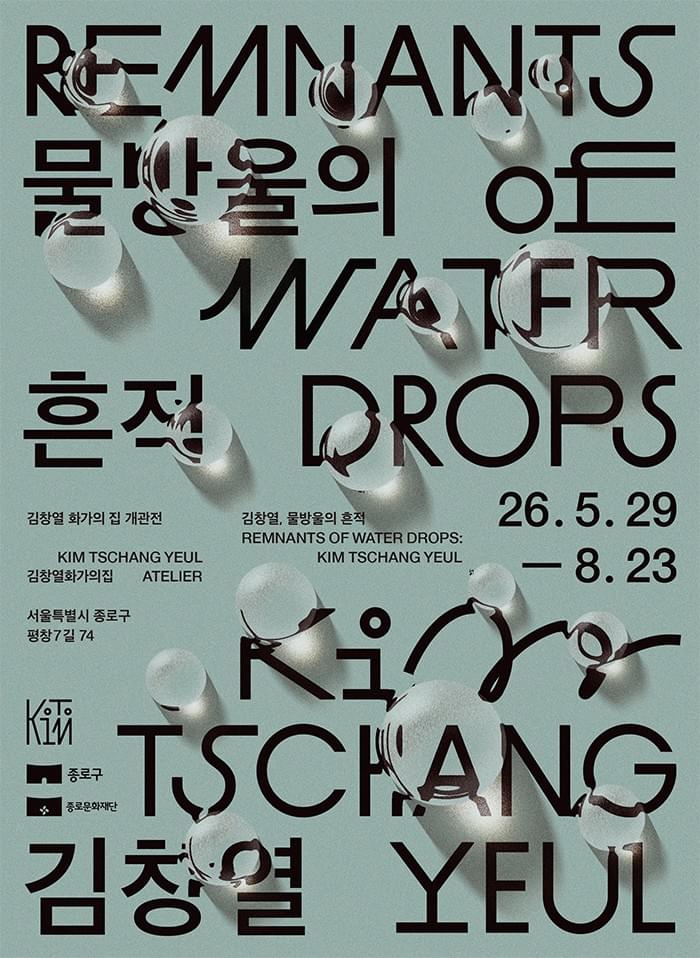
Kim Chang-Yeol's "Remnants of Water Drops" celebrates the opening of the "Kim Chang-Yeol Artist's House" in Seoul. His art explores the quiet, meditative passage of time. Heavily influenced by Buddhism and Eastern metaphysics, the artist employs water drops as a metaphor for cleansing and purification, calming the mind, clarifying the thoughts, emptying the heart. His body of work is a homage to the Buddhist doctrine, an attempt to put scriptures on canvas.
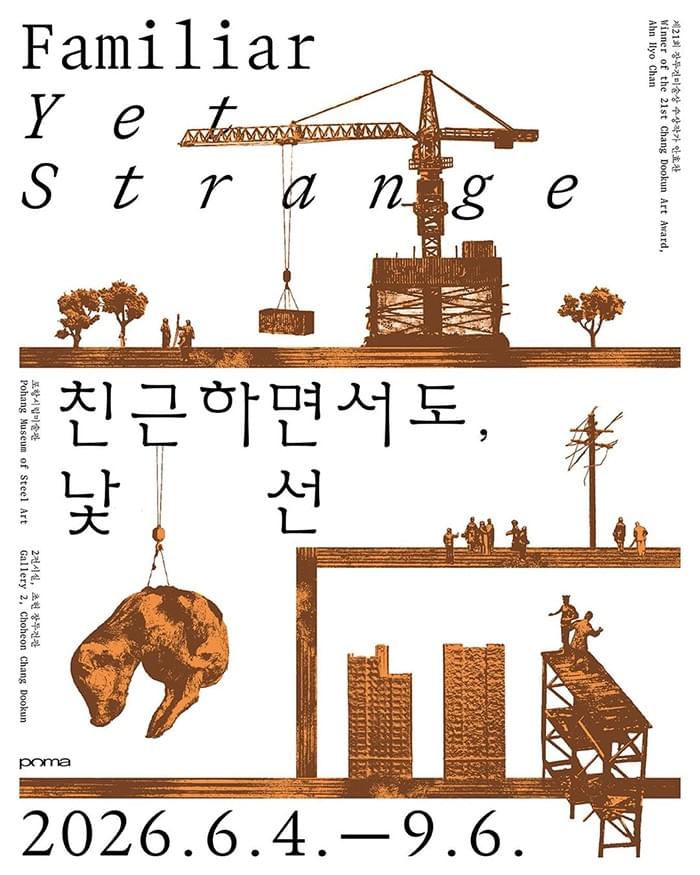
"Familiar Yet Strange" by Ahn Hyo-Chan is on show at Pohang Museum of Steel Art (Pohang is Korea's "Steel City", home to POSCO, one of the world's largest steelmakers; the company is a key driver of the country's heavy industry). A recipient of the 21st Chang Doojun Art Award, Ahn Hyo Chan (b. 1990) uses sculpture and installation to explore the structures of desire operating within capitalist systems and the mechanisms of violence. The exhibition explores the sacrifices upon which modern civilization has been constructed, particularly the environmental damage that industrialisation has caused. The show is an invitation to reflect on the duality of our civilisation and how we relate to it.