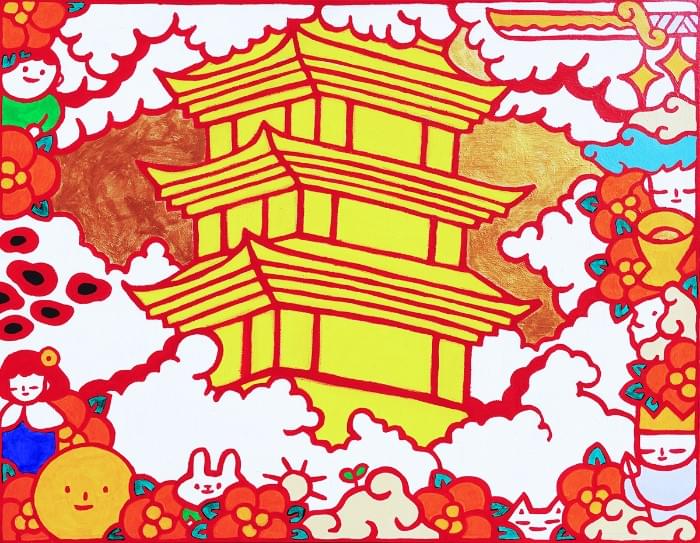
Park Chel-Ho's solo exhibition "Overlap" explores the inner principles that operate within nature. His early works are more literal, but later he moved away from this representational approach to focus on translating the flow and rhyme of the universe into abstract images. It is worth noting the artist's unique technique - he sprinkles powdered pigment on the stone slab and adds alcohol or solvent to draw the image in the moment of the chemical reaction.
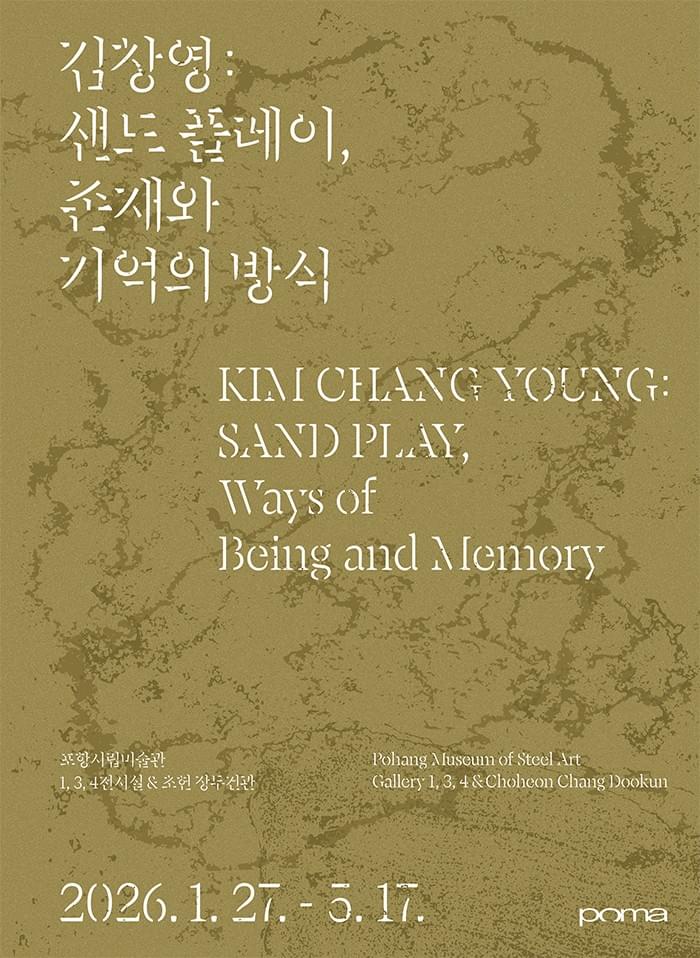
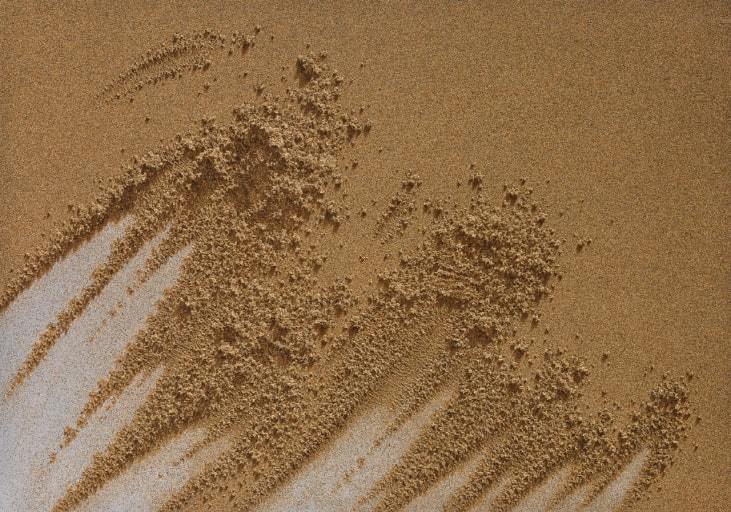
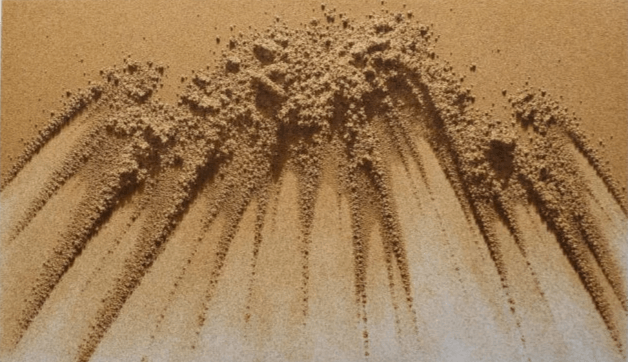
Kim Chang-Young's "Sandplay, ways of being and memory" features hyper-realistic paintings of sand. Sand as a record of time and events. Footsteps in the sand as the marks left on our souls by life events. Examined from this point of view sand is like paper - a medium for recording memories. Viewers are invited to reflect on their own lives and souls as living records of their own past decisions.

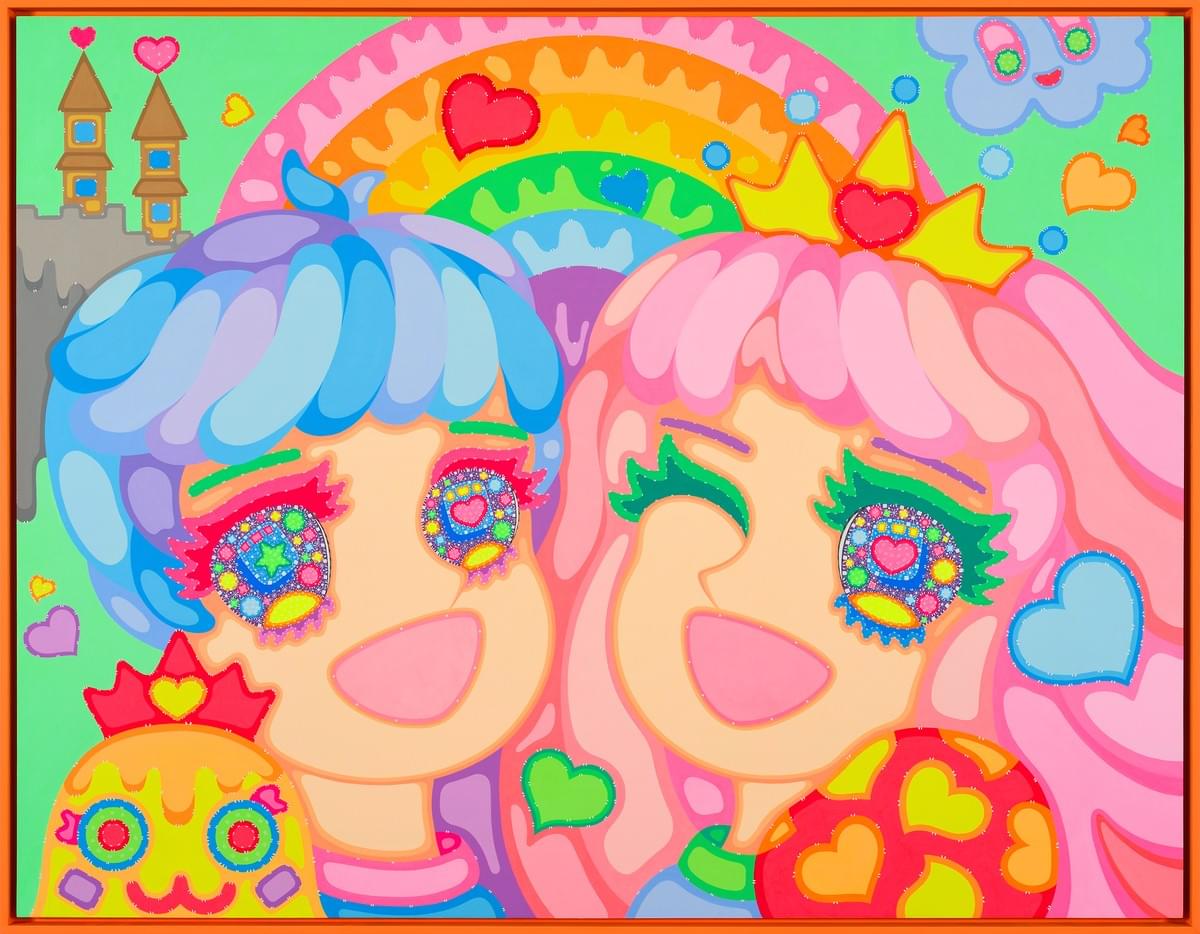
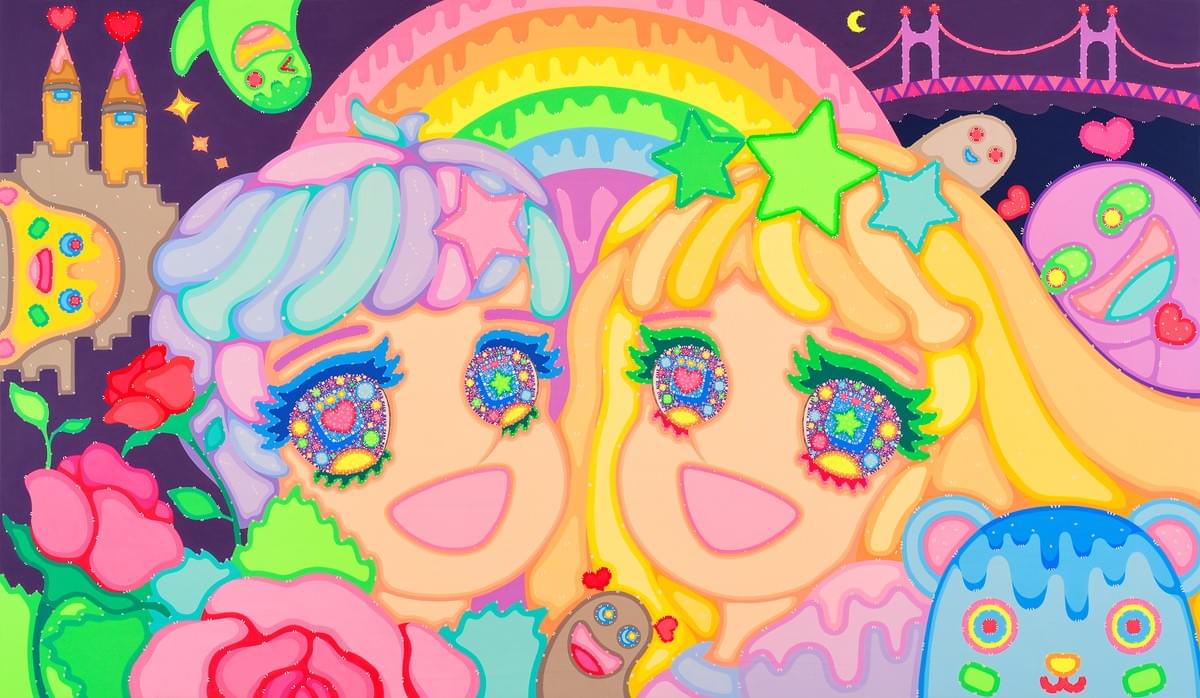
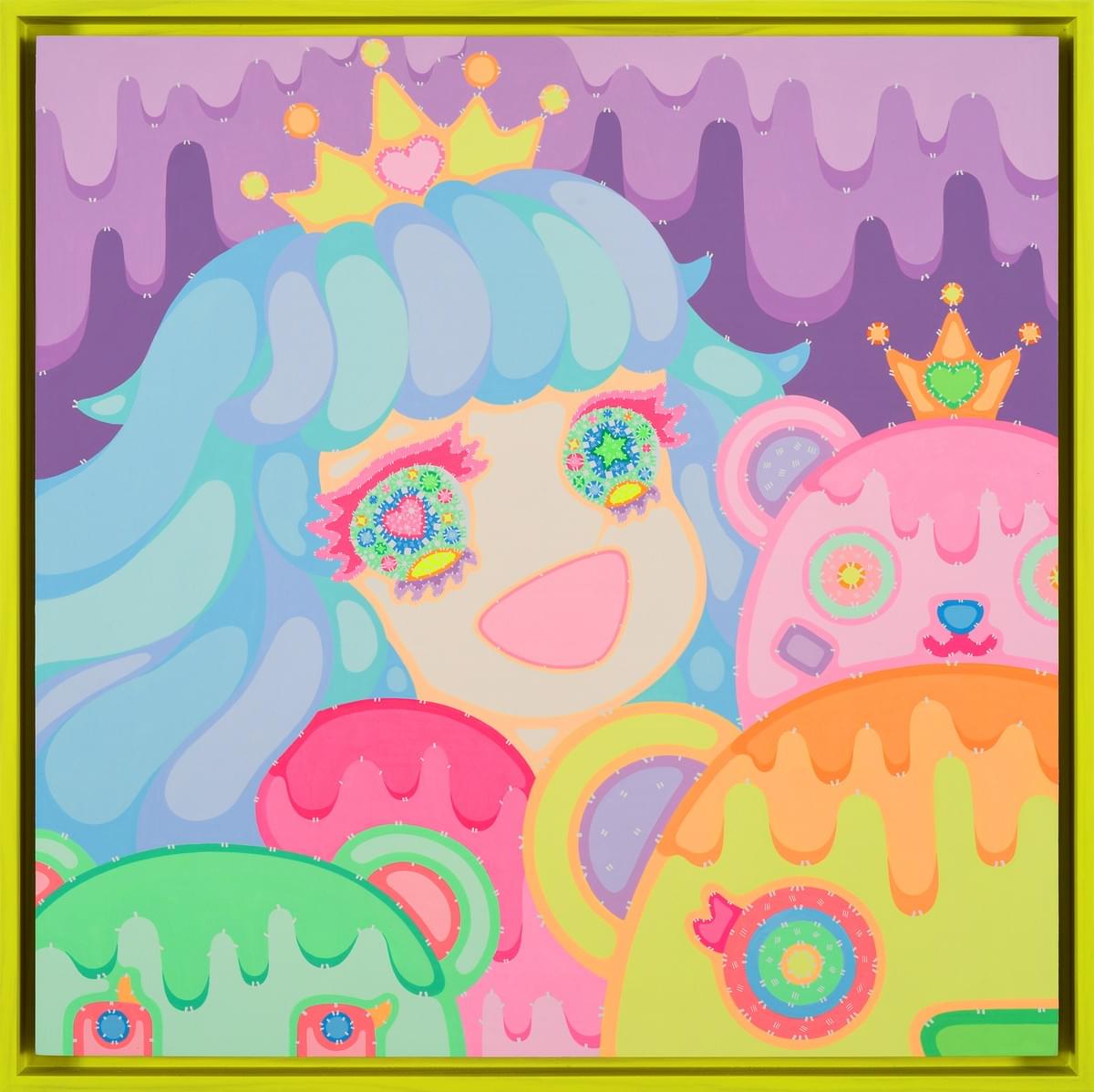
Lee Sara's "WONDERLAND: SOFT WINTER" is a colourful eyeful which brings some candied optimism in what is otherwise a cold and gloomy winter. The childhood world we thought we had left behind has actually been quietly living within us waiting for the appropriate moment to come to life again. Is escapism into childhood the proper answer to the hardships of adulthood? Probably not, but revisiting childhood worlds can still be a source of emotional renewal, a process of recharging our batteries to keep fighting our adulthood battles.
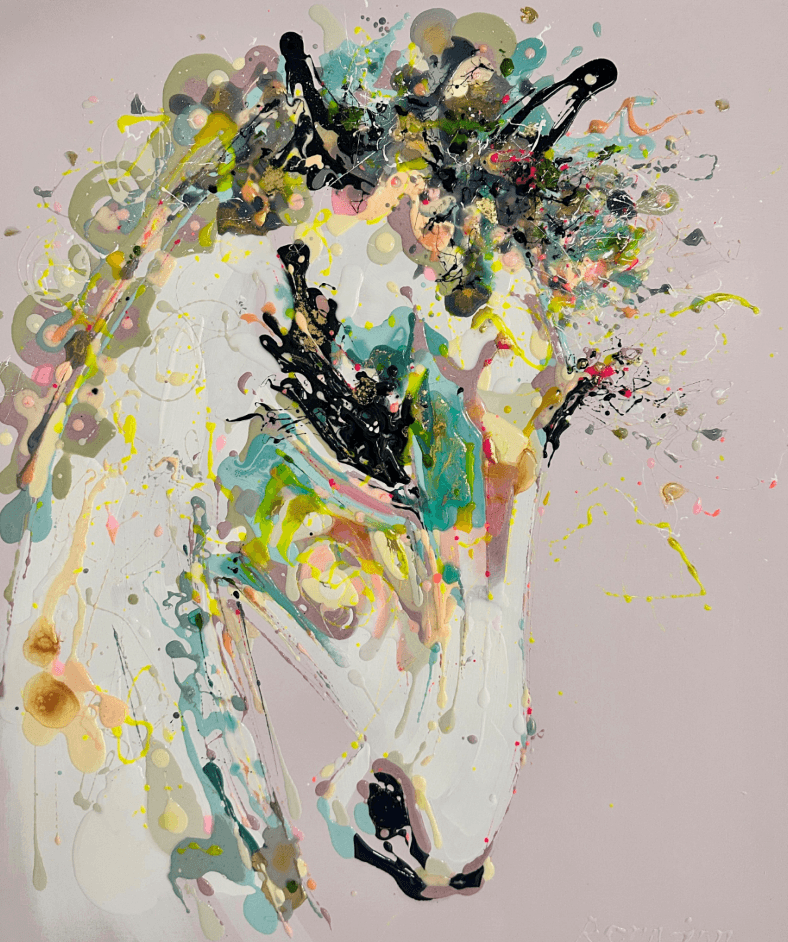
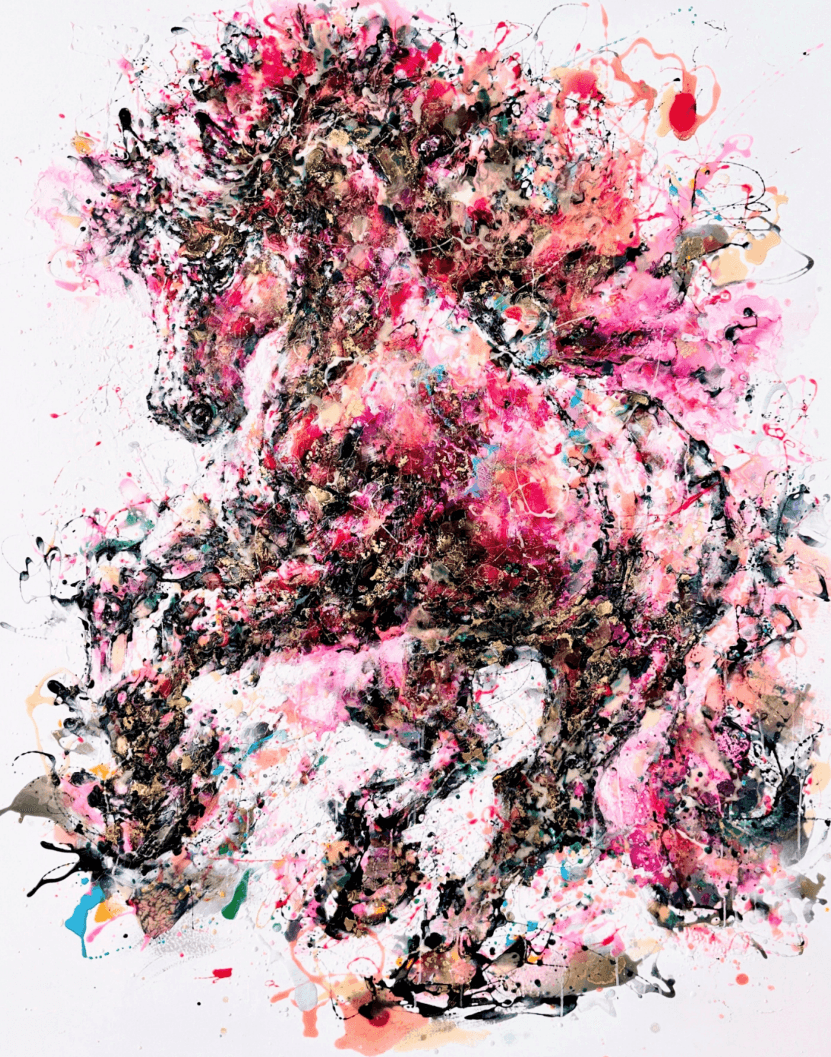
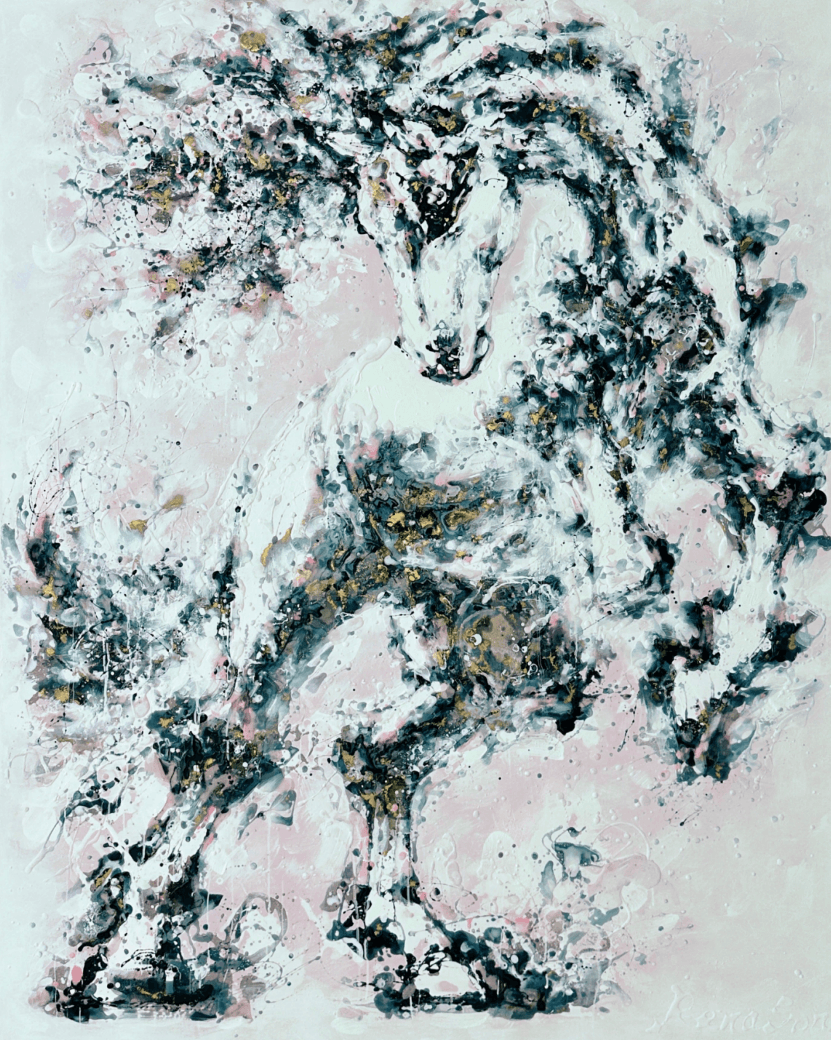
In the Year of the Fire Horse, several artists and galleries are turning their (and our) attention to this animal and what is symbolises in Asian culture. 2026 promises to be full of creativity and passion.
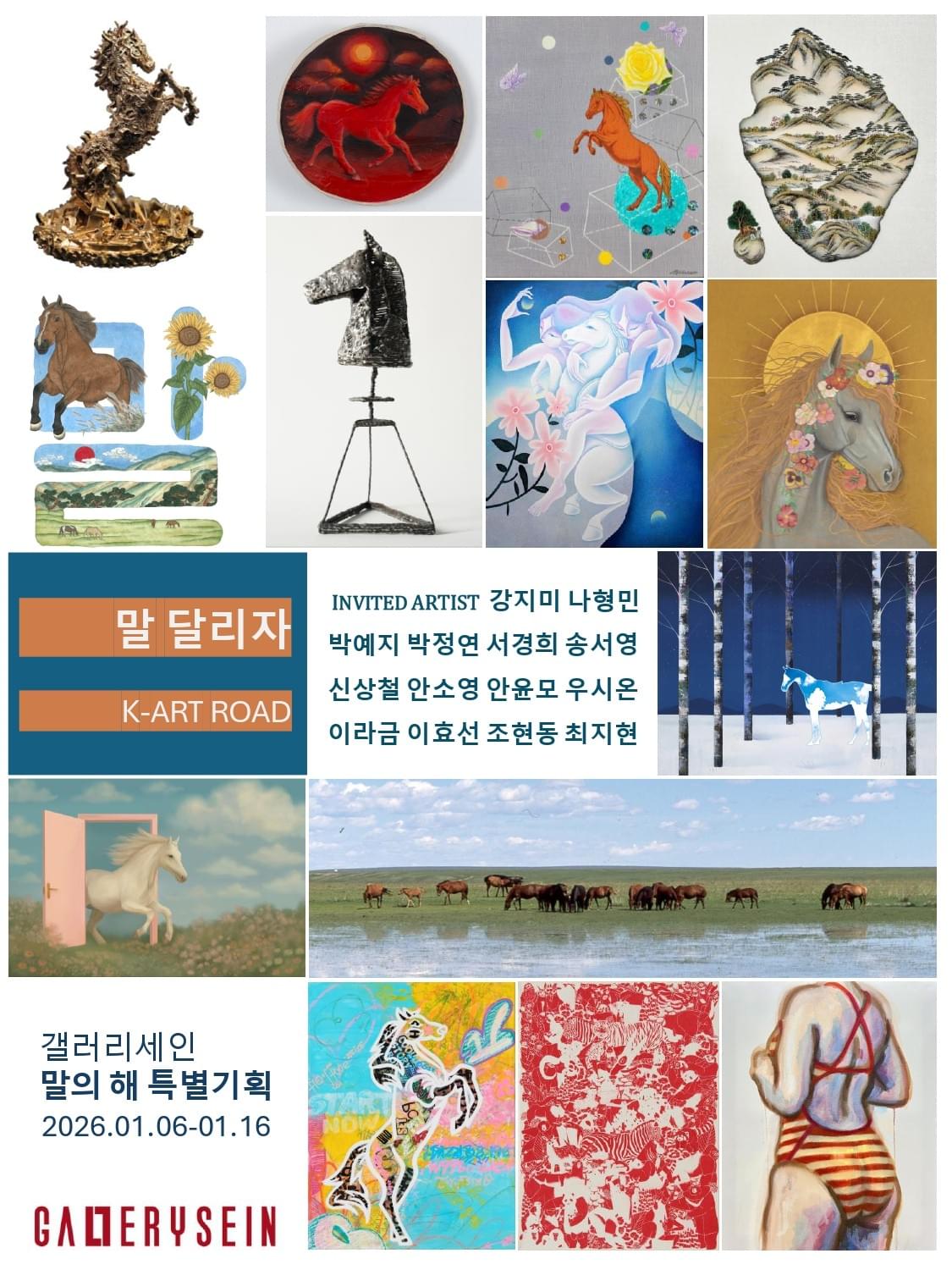
Gallery Sein hosts a group exhibition by 14 artists who explore different aspects of the nature of the Horse zodiac sign - speed, creativity, out-of-the-box thinking, dynamism, and mythical resonance. Embodying this spirit is meant to help us make the most of 2026 so the exhibition is an invitation to plan and strategise about our own year ahead.
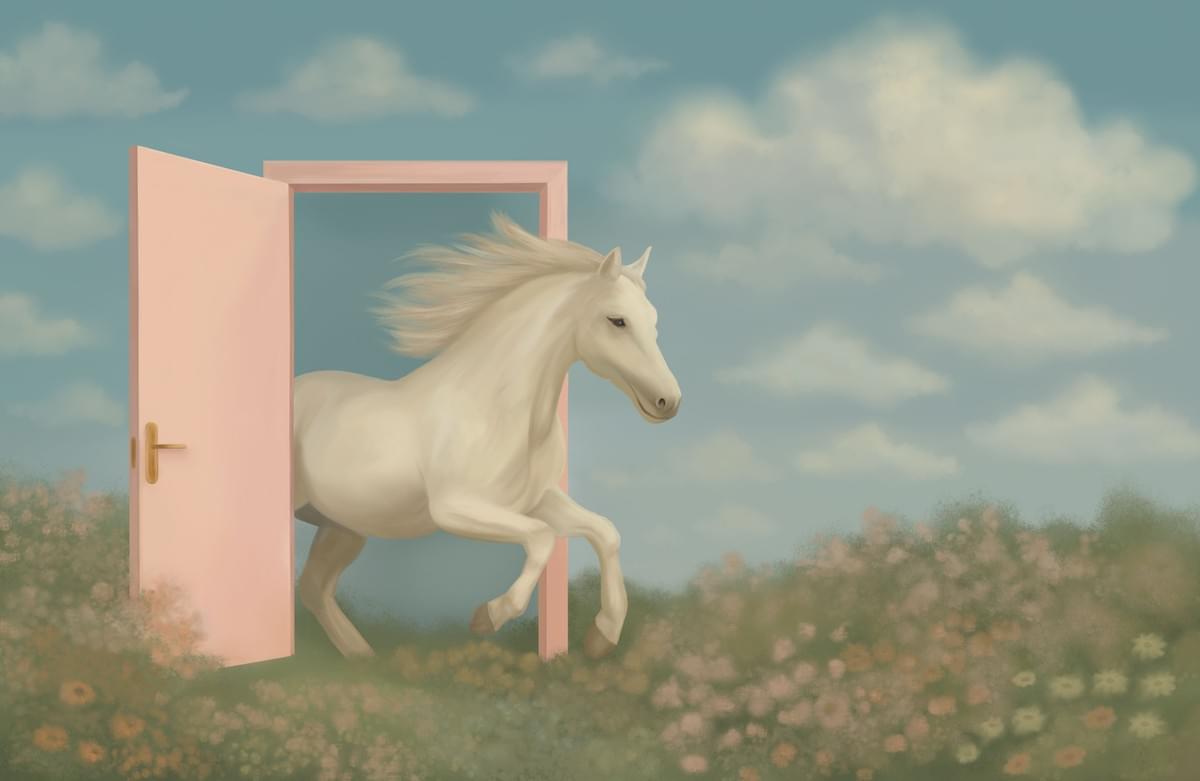
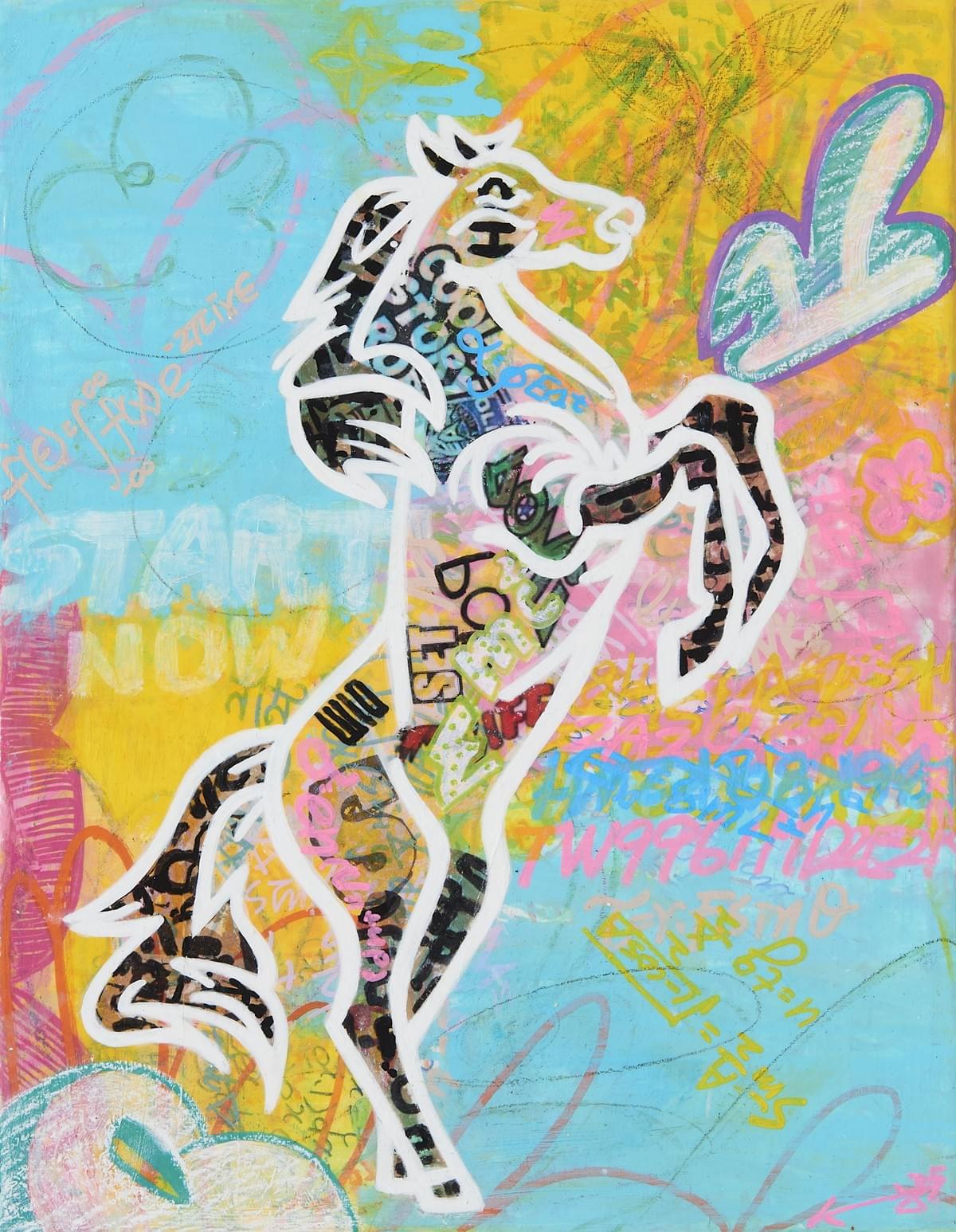
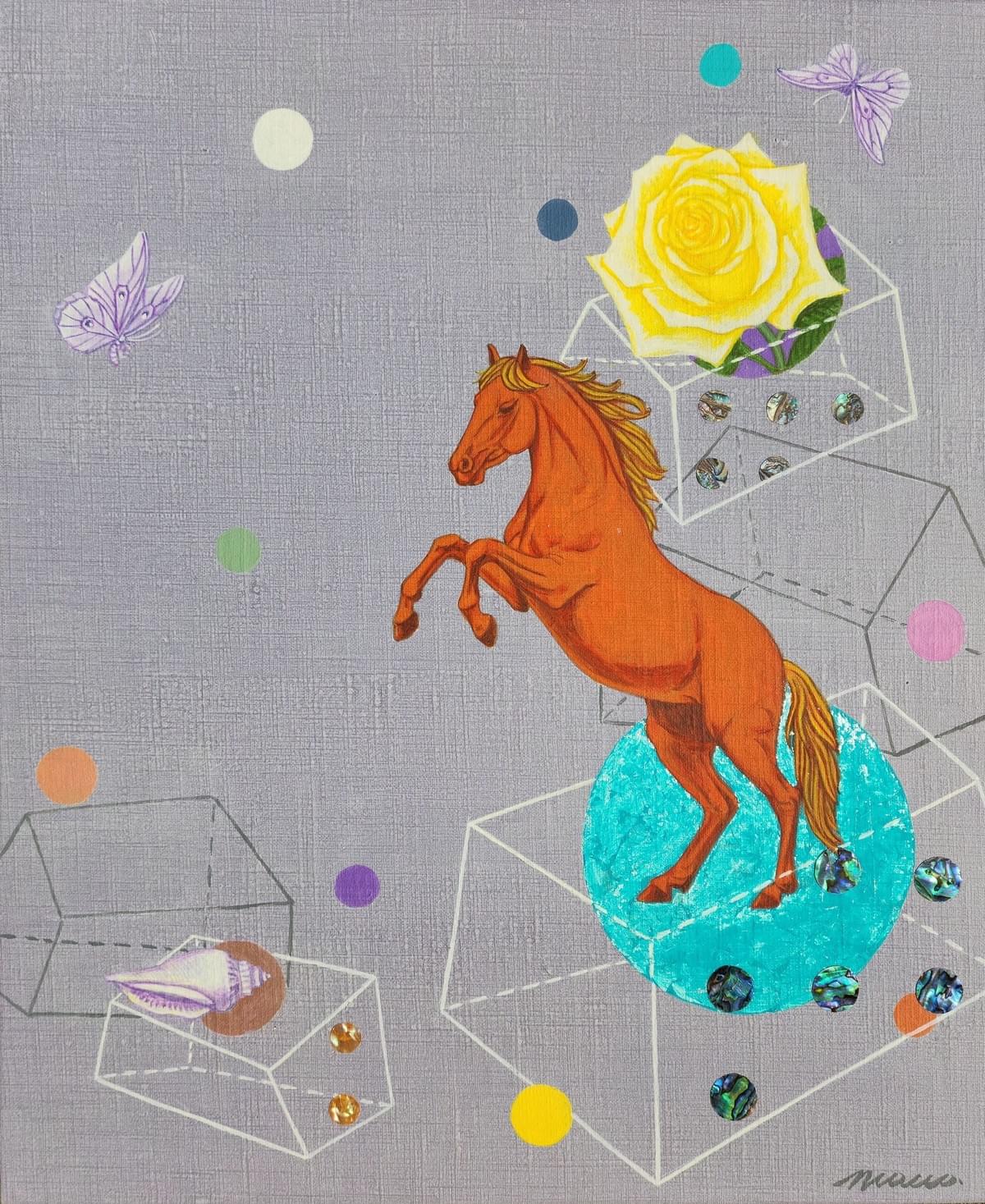

Gallery Wei's first ever exhibition - Son Jin-Hyoung's "Crimson Élan Vital – Leap of Red Life" - takes a different angle on the same topic and asks us to consider where the energy of life comes from and how it is constantly kept in motion. Interestingly, the artist makes a reference to the Qilin - a mythical creature, a mixture of deer, ox and a horse - which today is depicted more like a giraffe than a horse thereby inviting us to contemplate the connection between a giraffe and a horse.
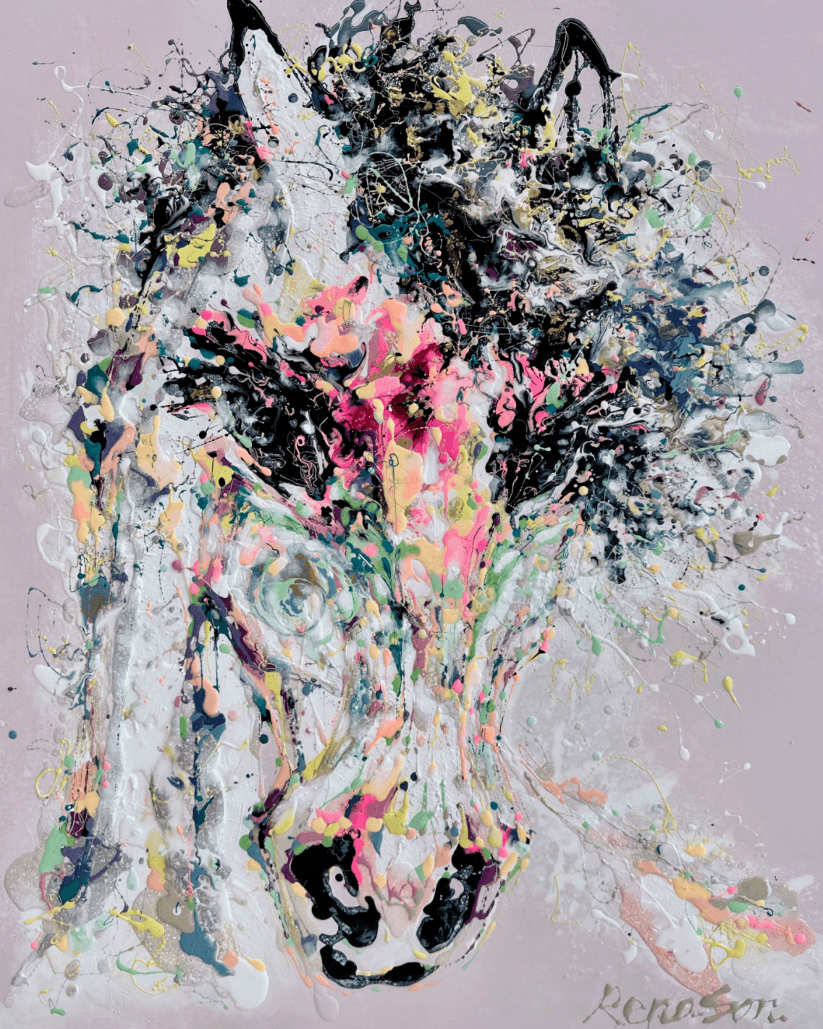
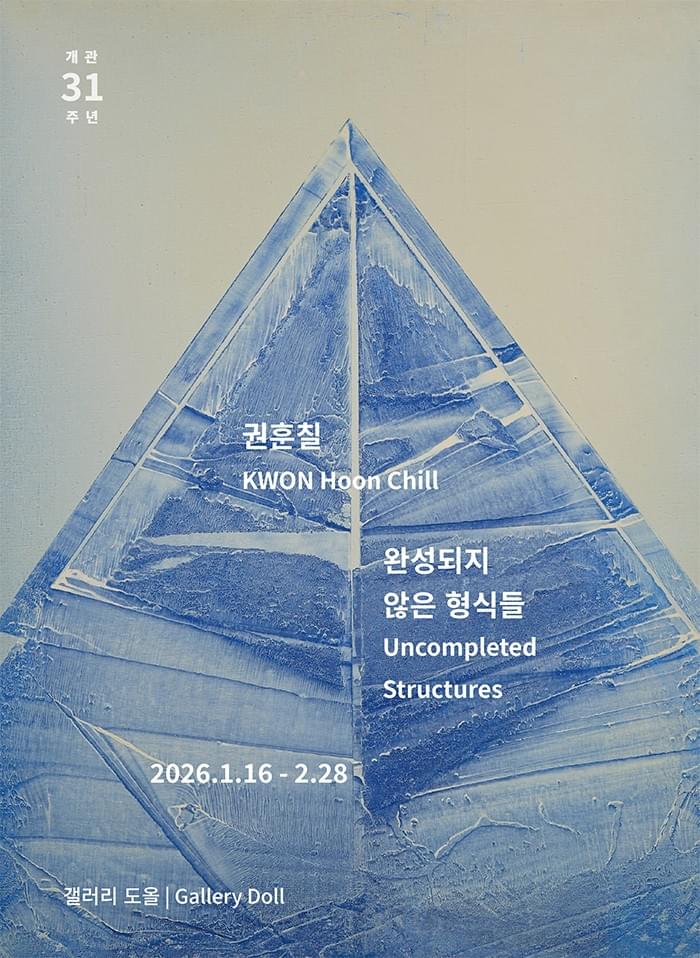
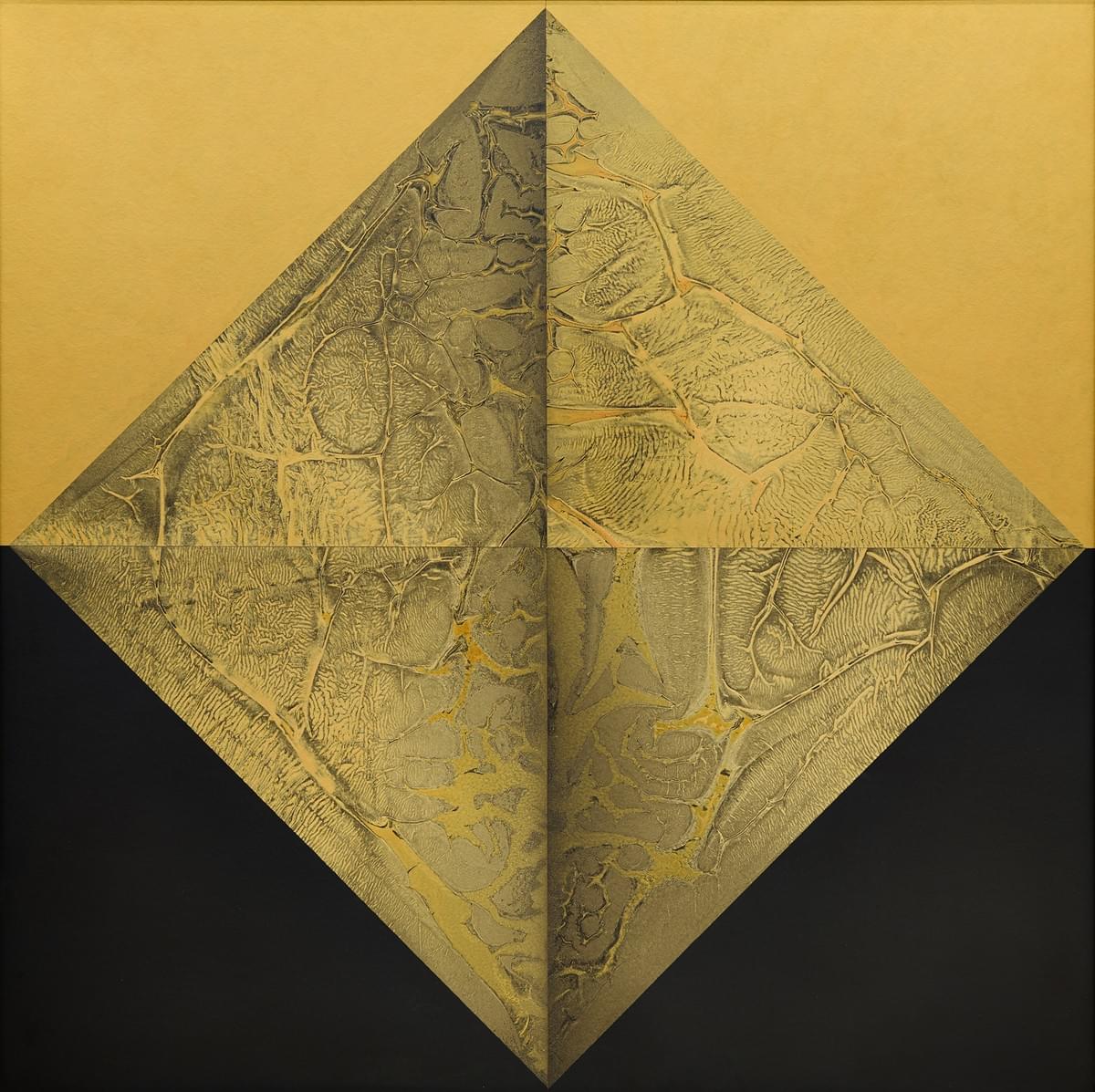
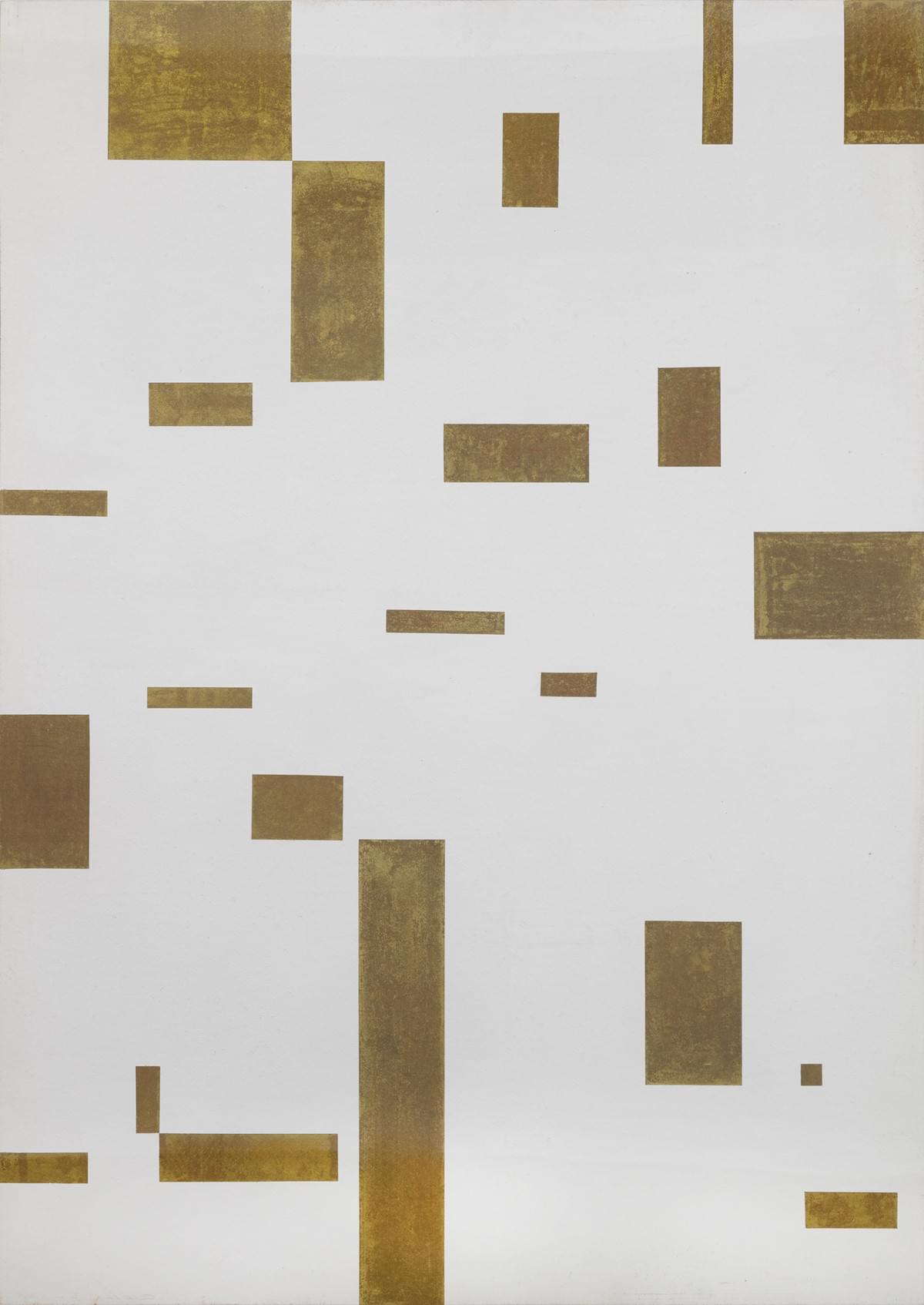
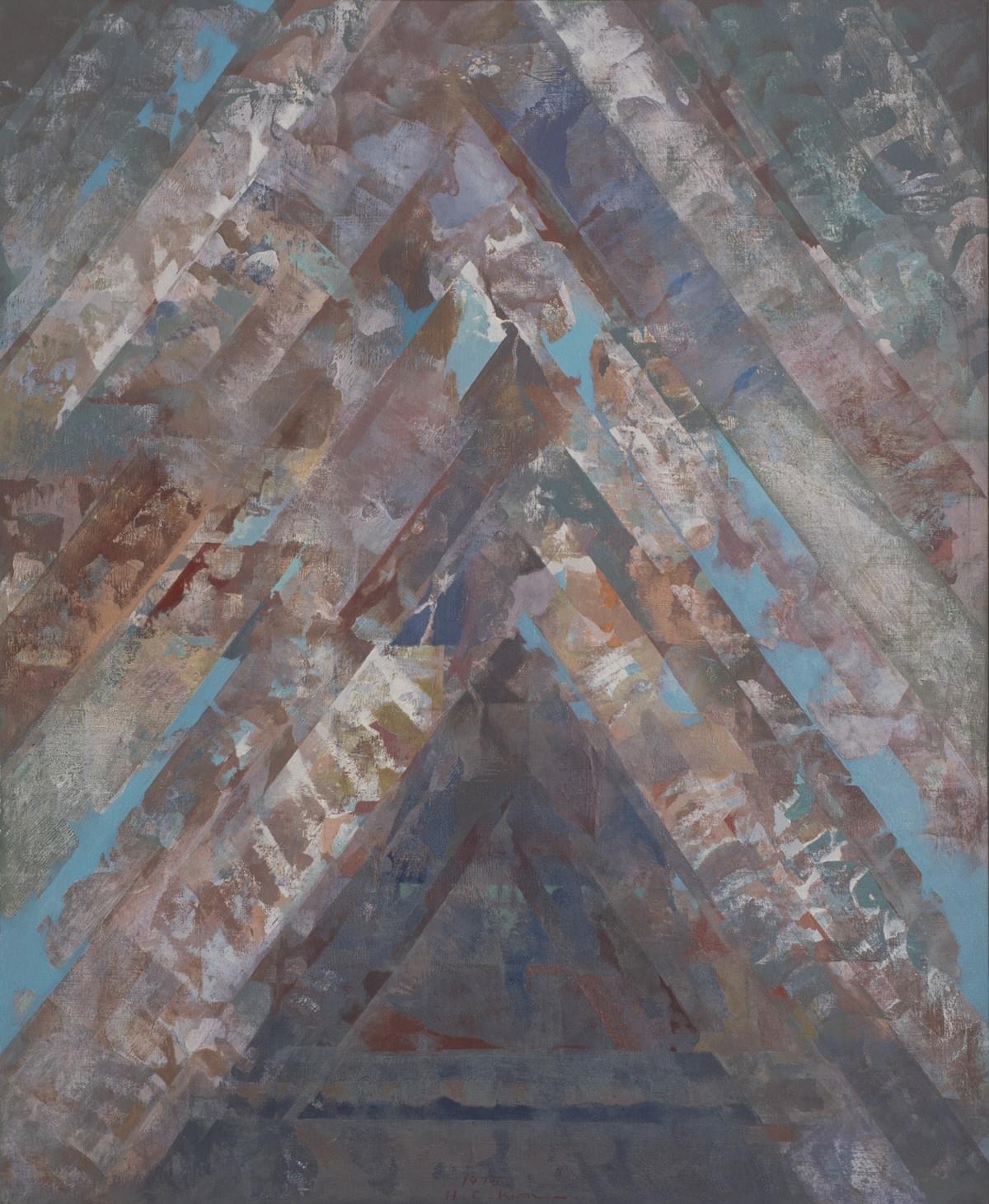
Gallery Doll presents Kwon Hoon-Chil's solo exhibition "Unfinished Forms" in which the artist explores patterns - the patterns of the mandala as an expression of the patterns in our thinking, the patterns of our minds. The concept is Buddhist and invites us to contemplate the "apparent dualities" of fullness and emptiness, chance and order, consciousness and the unconscious, knowing that duality is an illusion and all is actually One.


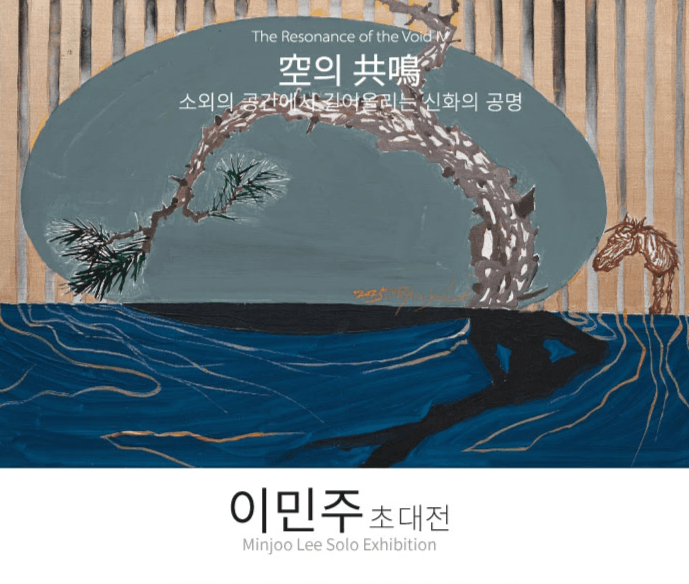
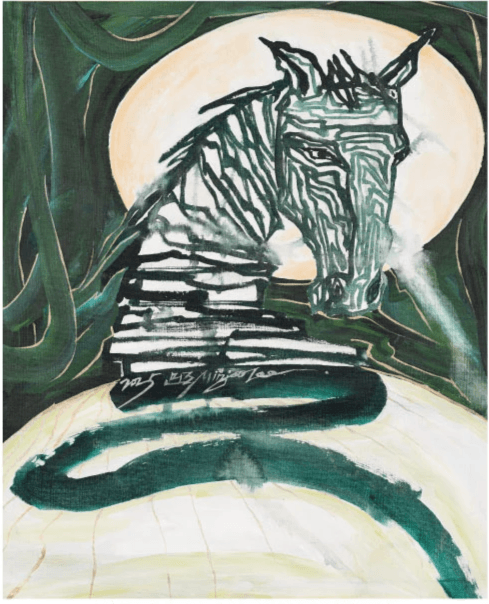
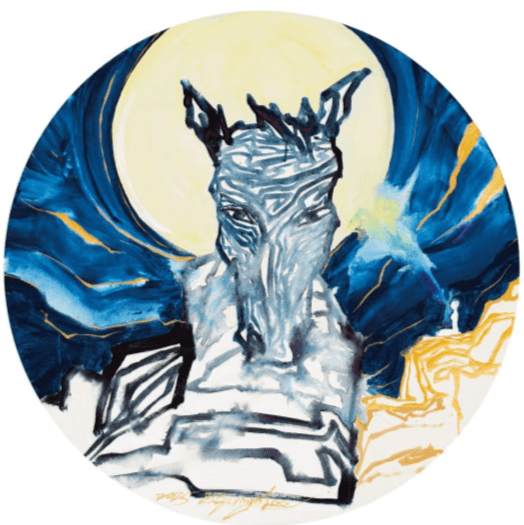
Lee Min-Ju's "The Resonance of the Void" explores horses as a wavelength, as an expression of a creative frequency. Horses are seen as an expression of a certain idea, a material symbol that stands for a frequency, the materialisation of a frequency. The concept is again Buddhist - Buddhism sees Reality as an unbroken quantum field with solid objects being simply a very condensed part of the field (or of the wavelength, to use the artist's term) hence the lines of which the horses on the painting are made.
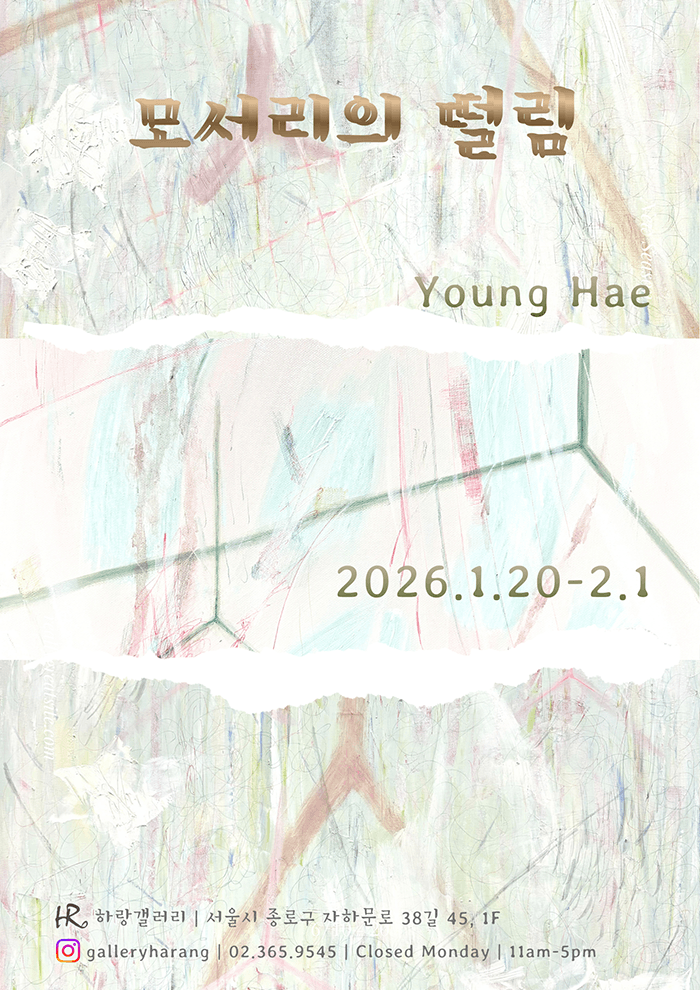
Hae Young's "Corner Tremors" explores holes and scratches as portals to another dimension/reality. Sometimes, we witness events that take us into another reality. Sometimes, we get a glimpse of other people's lives and understand how different reality is for those other people. And sometimes, we see someone we have known for a very long time in a state we have never seen them before and this unusual state is the scratch on the surface that reveals their hidden dimension.


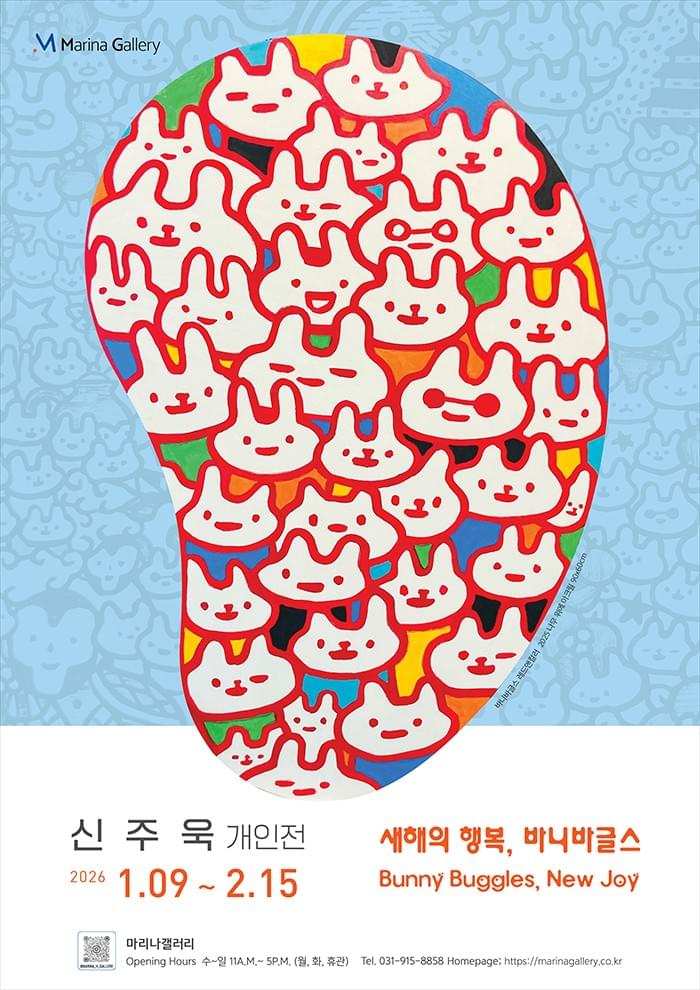
Shin Ju-Wook's "Bunny Buggles, New Joy" is a colourful, joyful, childlike show which can easily be misinterpreted as yet another try to escape from the challenges of adulthood into childhood memories. But that's far from what the story is about. Despite the bright colours, Shin takes as his starting point one of Korea's biggest tragedies in recent history - the 2015 Sewol Ferry Accident during which over 400 high school students died. The artist revisits the painful memory but examines it through the compassion and support that the general public showed for the families of the victims. Solidarity and community support, the power of people coming together are his main themes.