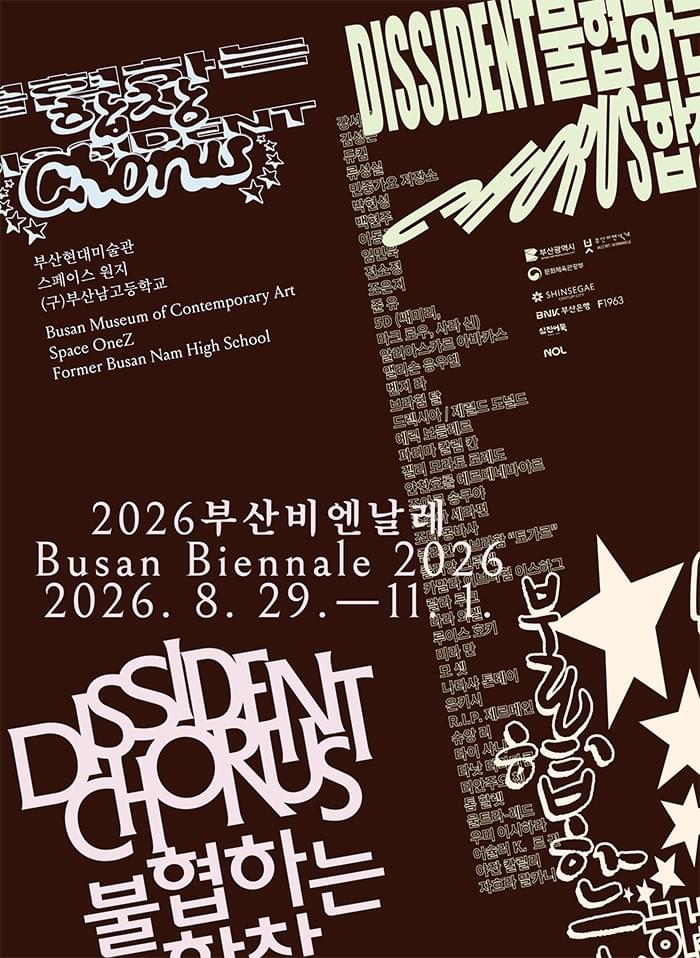
The 2026 Busan Biennale (curated by Evelyn Simons and Amal Khalaf) takes place between 29 August and 1 November under the theme "Dissident Chorus". It features 46 artists/teams (a total of 49 people) from 22 countries and regions (3 from South Korea). This year's edition explores non-harmonious ways of co-existence: Can we co-exist in tension and conflict instead of harmony? Of note, the Eastern ideal is harmony, everything else is "barbarian". From Eastern (Confucianism, Buddhism) perspective, the superior man is one who can create order out of chaos, so harmony (The Middle Way) is held in highest esteem as the ultimate ideal the questioning of which is quite unusual. In a way, the theme of the Biennale is a reflection of the ongoing geopolitical debates and an example of how art reflects the world we live in.
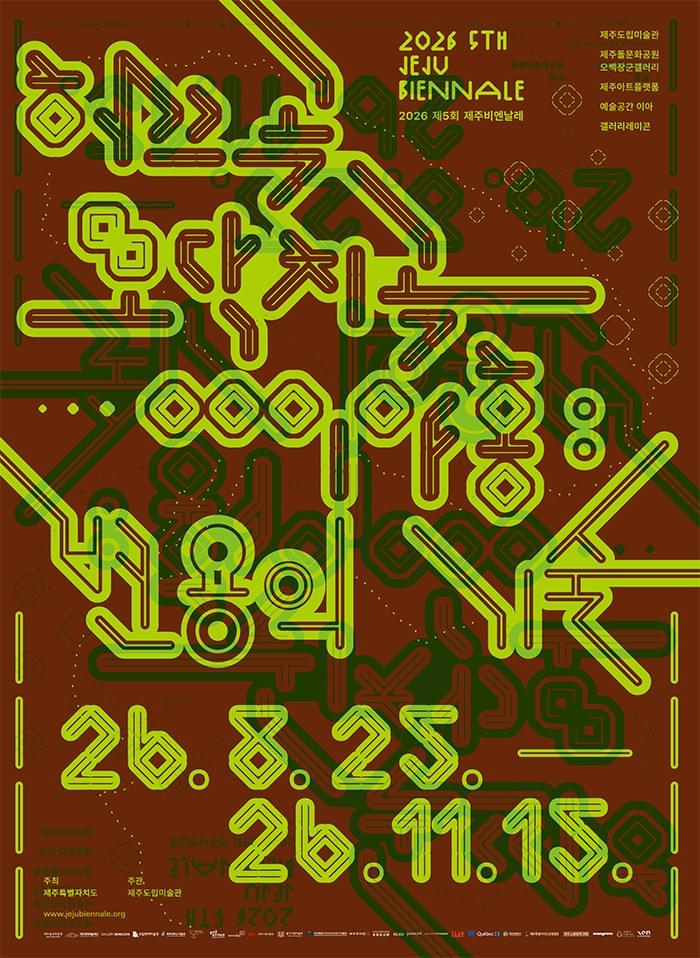
The 5th Jeju Biennale (Artistic Director Lee Jong-Hoo) opens on August 25th and will run for 83 days until November 15 on Jeju Island. A total of 69 Korean and international artists from 20 countries will be exhibited under the theme "Huggeugok Modangchigok Iyahong" which in Jeju dialect means "to mix and gather/blend". The title reflects Jeju's history of being a melting pot for different influences. The exhibition is divided into three sections, "Exile", "Stone Culture" and "Myth", paying tribute to different aspects of Jeju's folk culture, stones and basalt traditions, the Hanyo, local legends and their relationship with larger, universal themes.
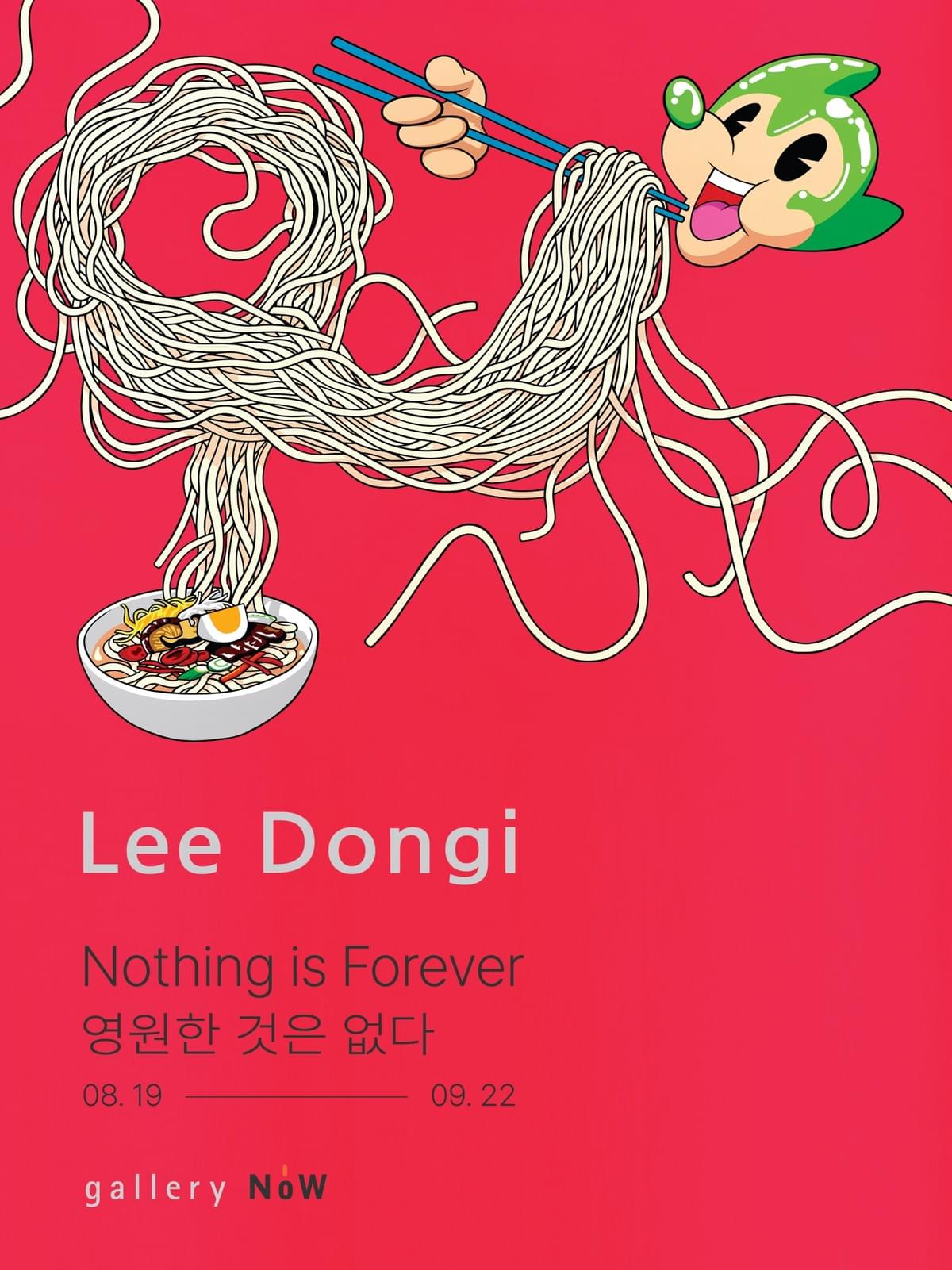
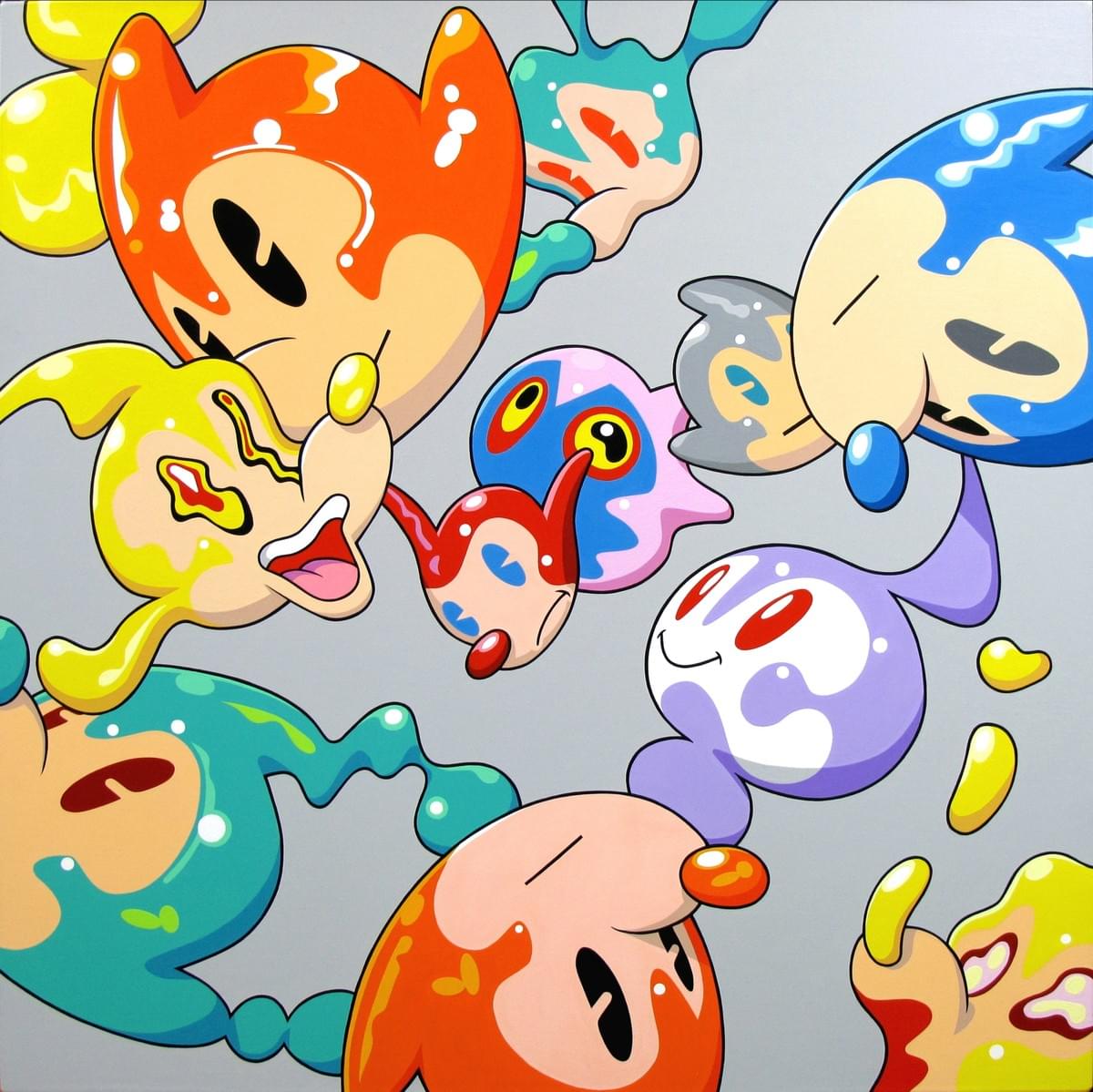
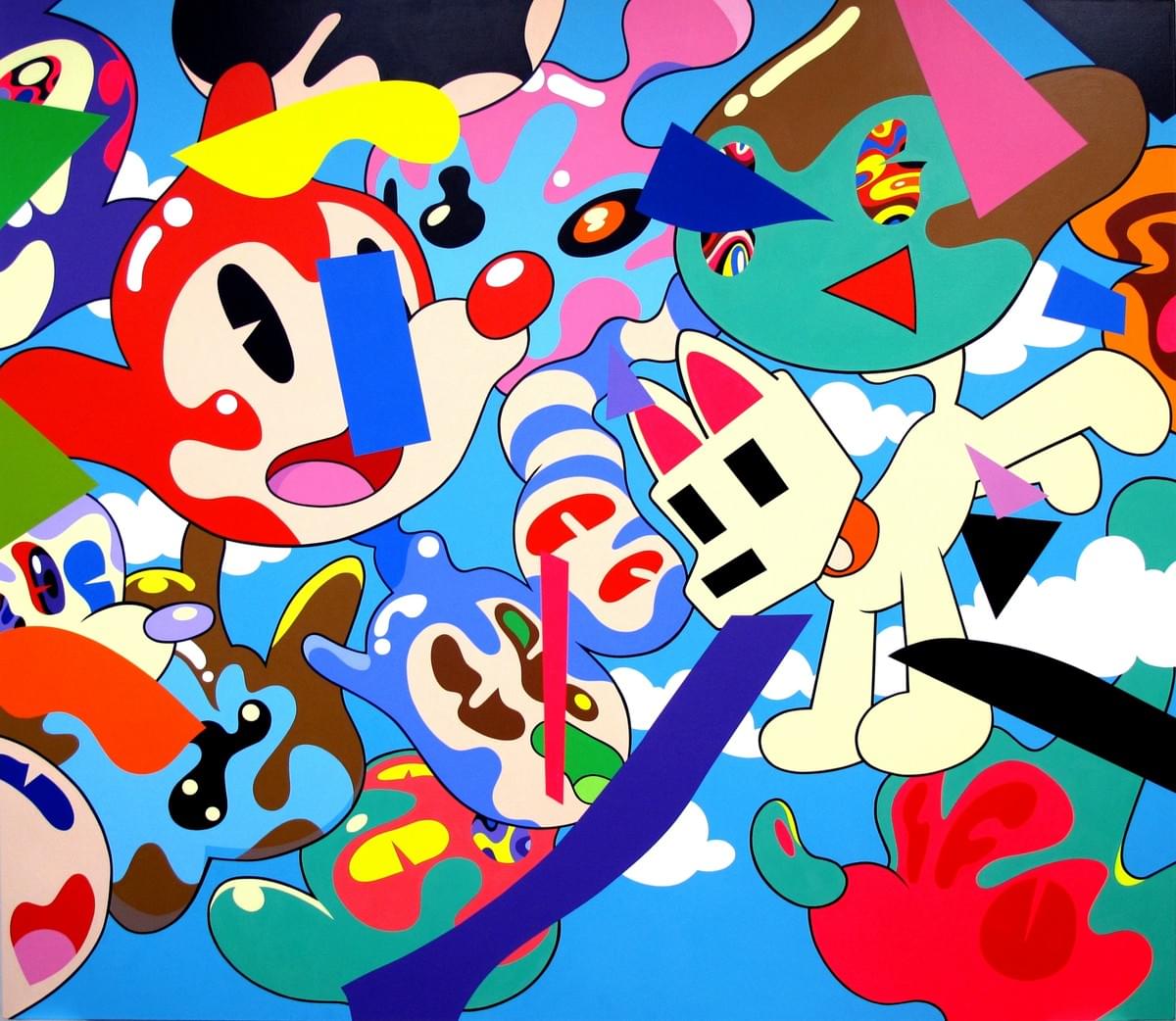
Lee Dong-Gi is a member of Korea's first generation of pop-art artists. His latest solo exhibition "Nothing is Forever" reflects the deeper meaning of the word "pop", the transient nature of trends. But this instability / impermanence is not something the artist sees as negative, he sees it as an opportunity for creation, for drawing new connections and lines of correlation between existing phenomena.
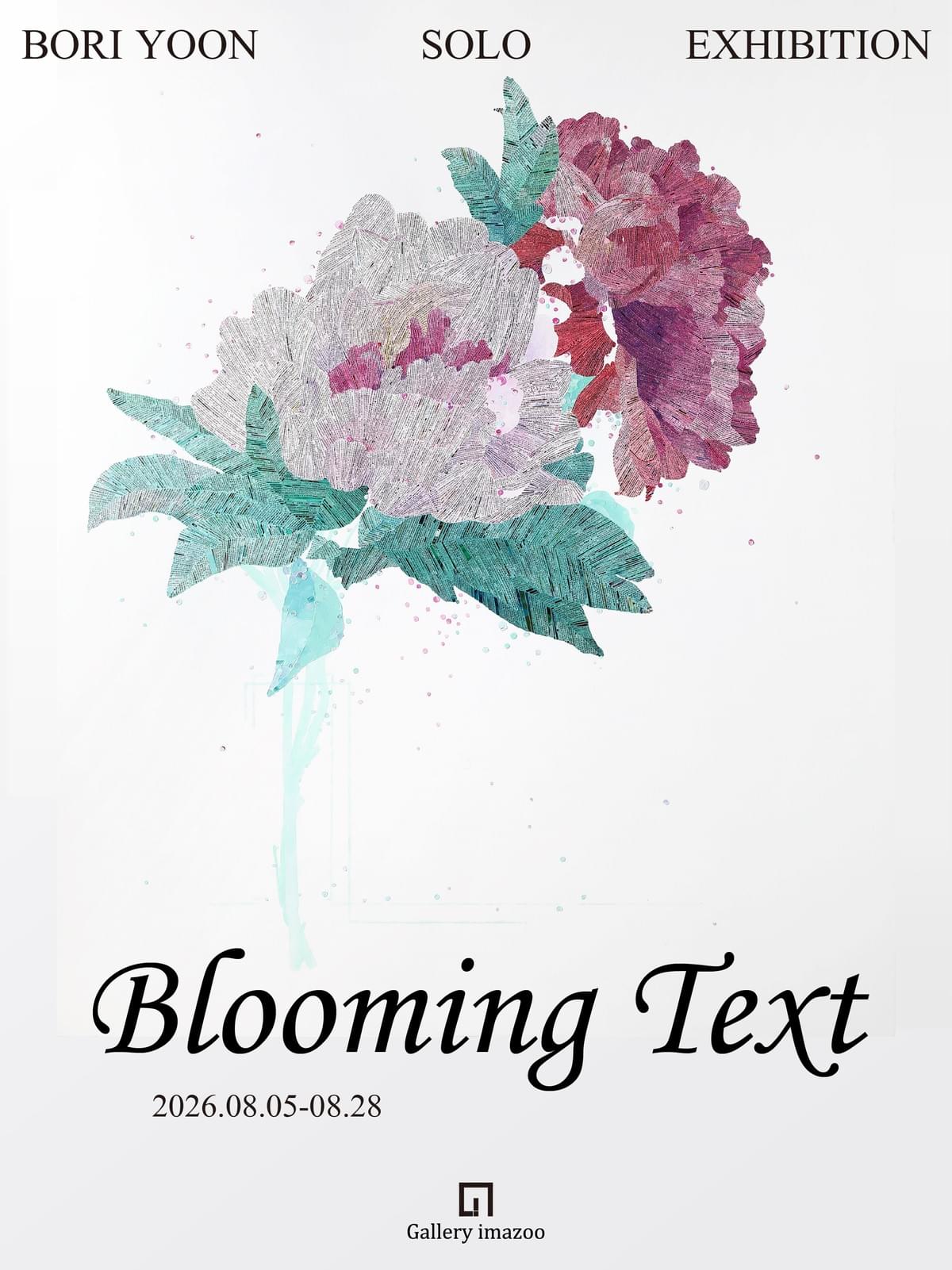
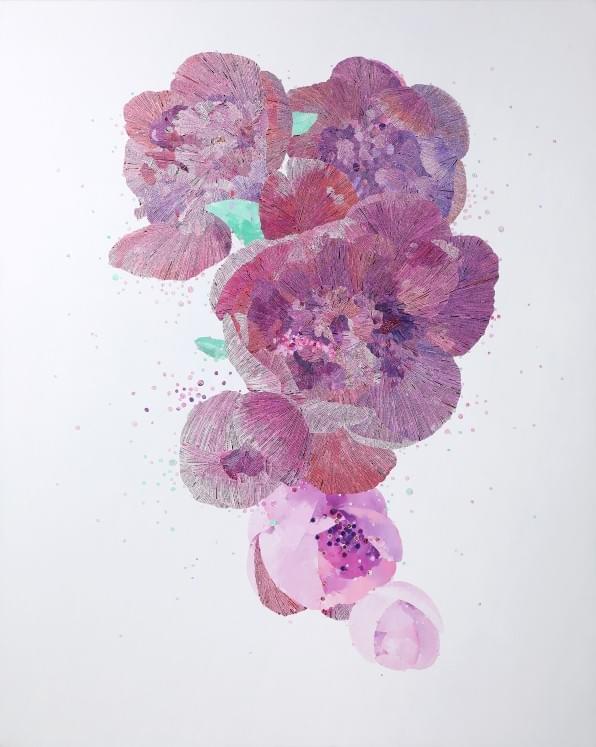
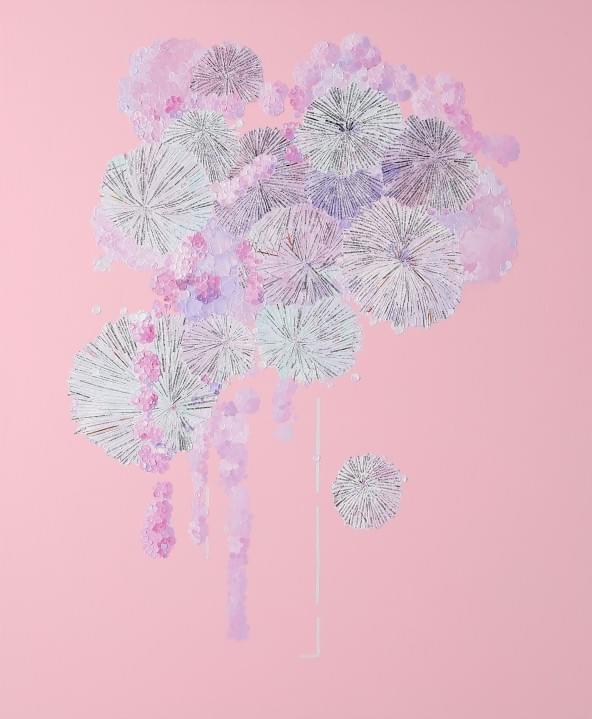
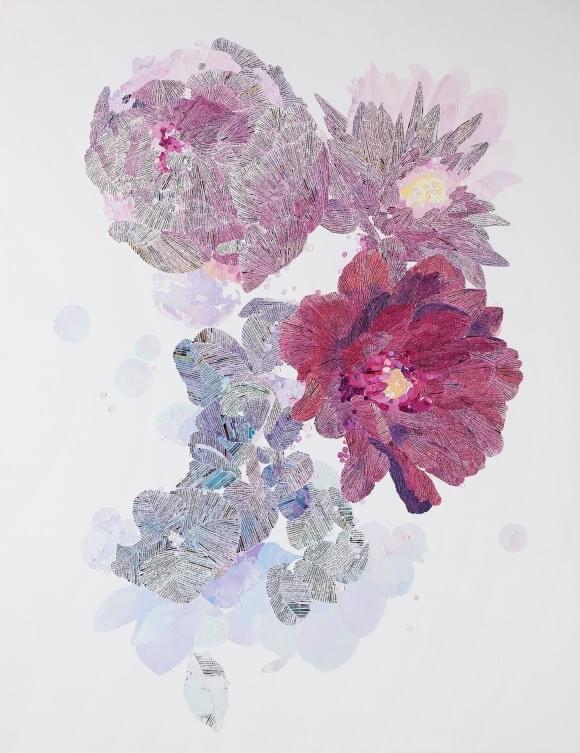
Artist Bori Yoon uses newspaper and magazine cutouts to create new images on her canvases. Through this process she is asking: "How can we aesthetically resolve the clashes and contradictions of life"? By deconstructing fragmented stories of reality and transforming them into paintings of idealistic and aesthetic experiences, Yoon explores the healing potential of art beyond visual beauty. Of her work, she says: "I hope that through my work visitors gain hope that reality and fantasy can co-exist without destroying one another".
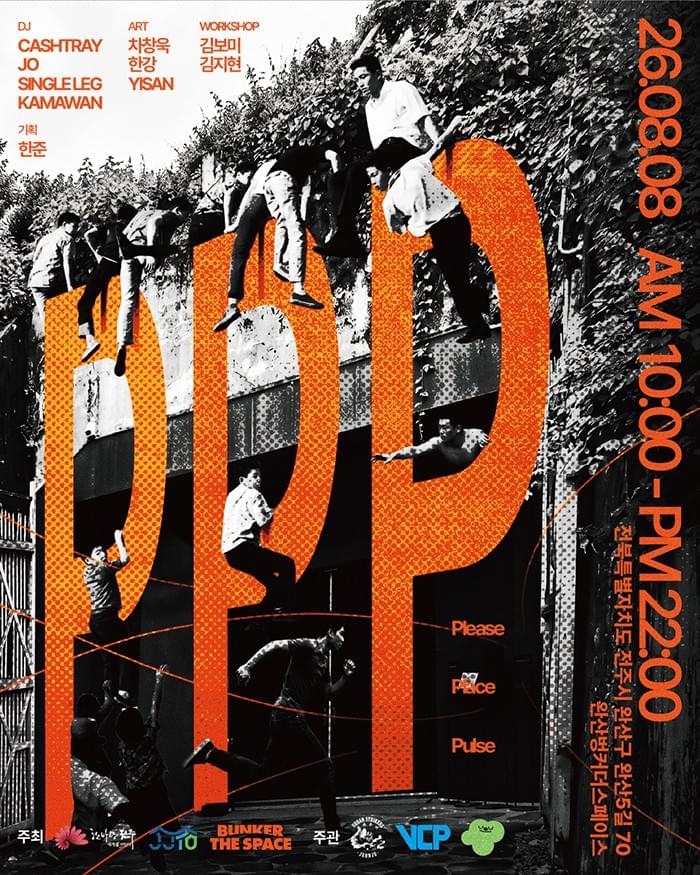
Wansan Bunker The Space is a former military facility which served as a control center for maintaining coordination between different units. Now an art and gallery center, it has been gaining attention in Korea recently for its war-themed exhibitions. "Please, Place, Pulse" is a plea for a shelter from the constant bombardment of our senses in this information-rich era. In our modern societies, we are exposed to various information flows and stimulation channels - can we disconnect to rediscover our inner peace? Can we re-evaluate the conversations and stimulations we are part of and cut off those do not need to focus on staying connected to what really matters? Can we stay grounded and stay sane on the battlefield of daily life where we are constantly targeted with stimulations, with information/stories people want us to care about and respond to?
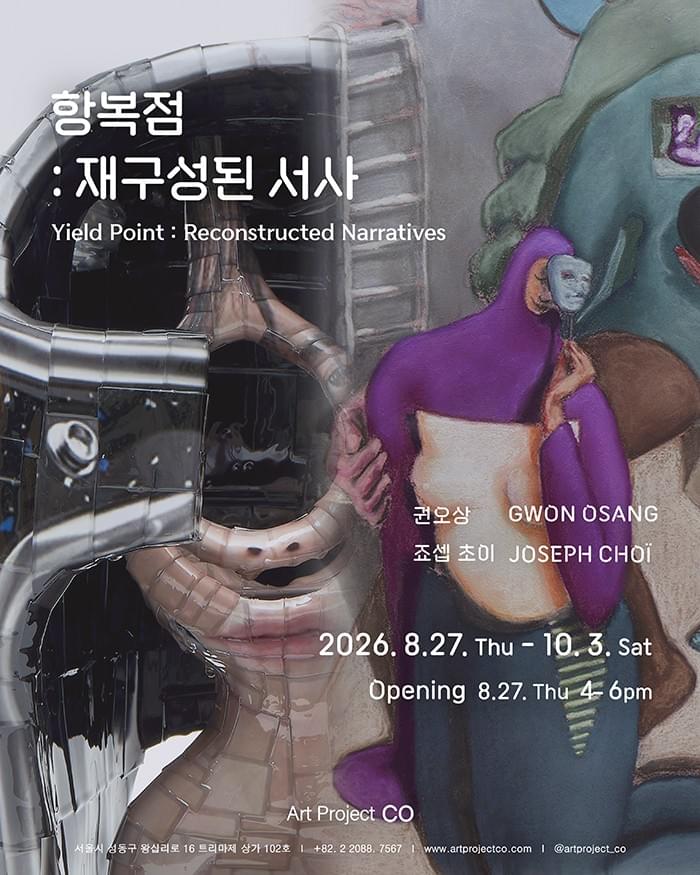
"Yield Point", a joint exhibition by Osang Gwon and Joseph Choi, explores the pressure point beyond which hard matter becomes re-shapeable. Where hard matter is an expression of endurance, plasticity is an expression of action. Beyond the yield point, matter is not destroyed but reborn with a new purpose. Photos become sculptures, memories become images. Osang Kwon creates light-weight statues of people covered with misaligned photograph cutouts of images of these same people. His unique style earned him a global recognition even beyond the art world when, in 2015, his works were chosen to be part of a larger exhibition curated by K-pop star G-Dragon of the group Big Bang (in those days, at the height of his fame). Joseph Choi interprets the same theme but from a different angle - his canvases are images born of memories. His method - repeatedly erasing and overlaying the visuals to distort them, but in the end this distortion reveals a new reality. The initial experience is reborn as an image with a new purpose.
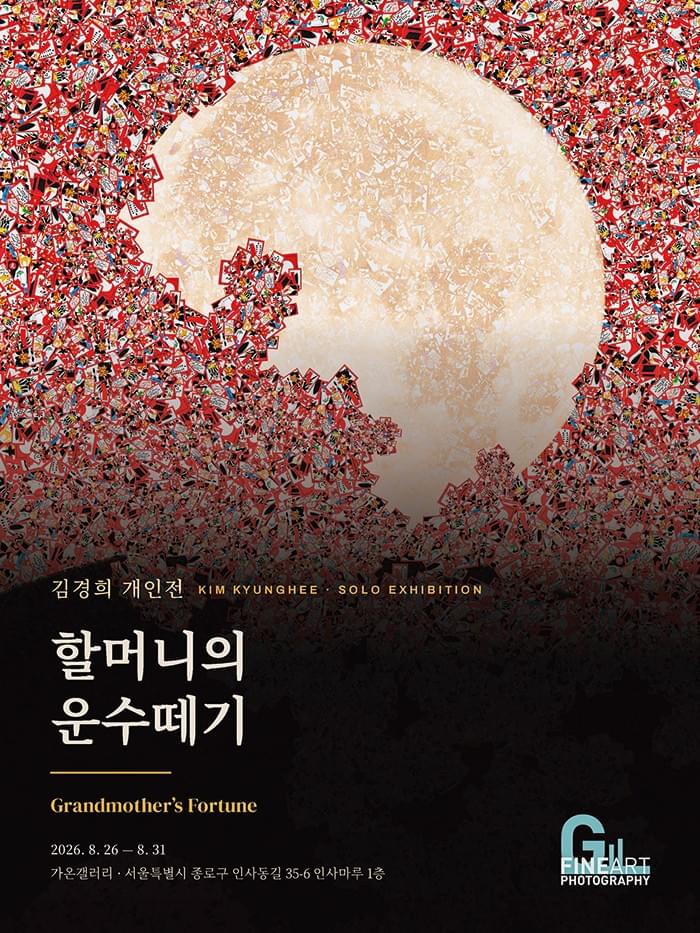
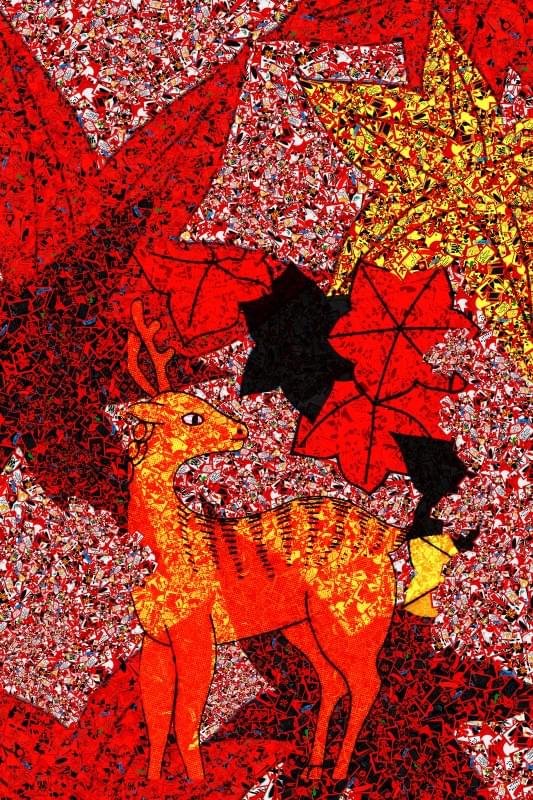
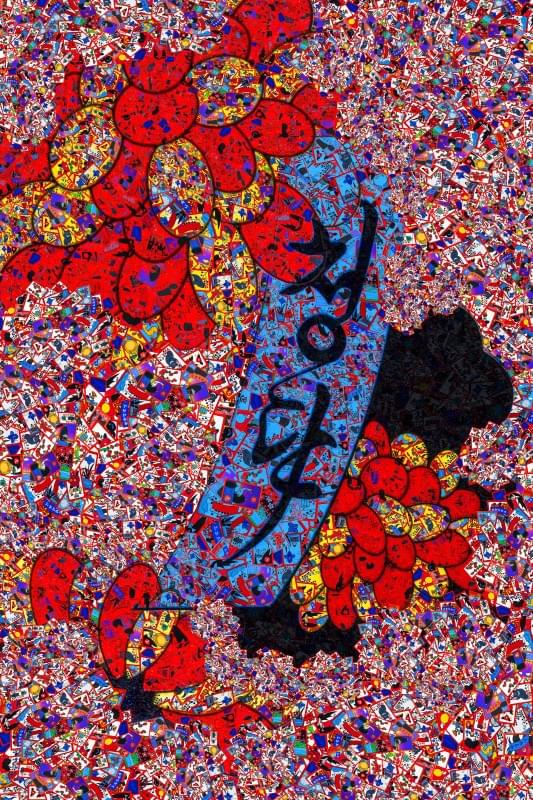
Kim Kyong-Hee's "Grandmother's Fortune" creates digital collages based on the popular Korean card game Go-Stop. Photographic fragments overlap to reveal one reality when seen from afar and a different one when seen up-close. In a way, this is the impact of Impressionism/Pointilism but instead of paint drops/brush strokes, Kim uses photograph cuttings. The theme is reality vs illusion, the seen vs the unseen; the physical vs the metaphysical (hence the use of Go-Stop cards as a reference to fortunetelling although the cards are not typically used in that way).
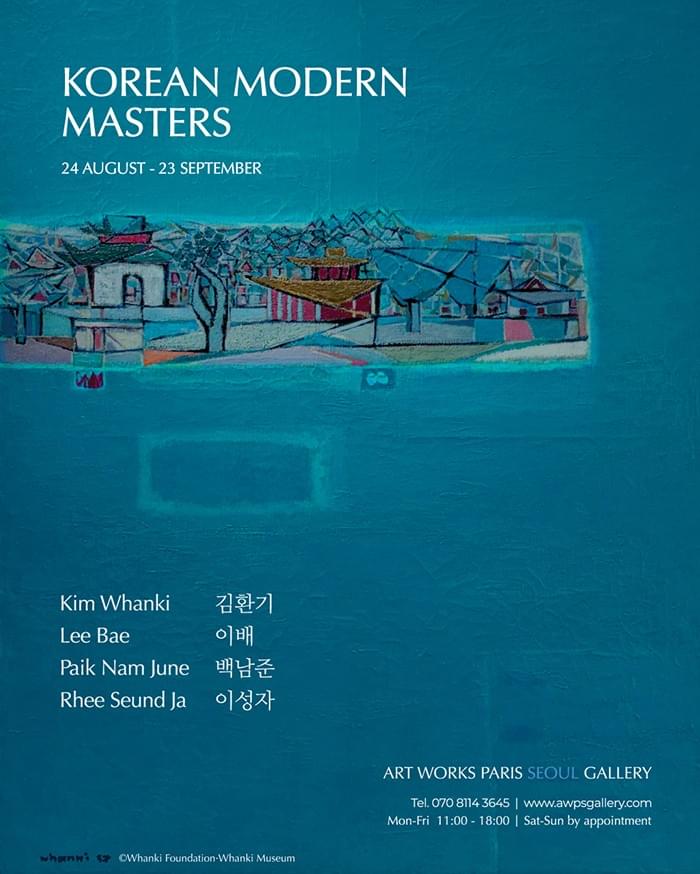
Artworks Paris Seoul Gallery and Whanki Foundation present "Korean Modern Masters", an exhibition showcasing works by Kim Whanki, Nam June Paik, Lee Sung-Ja, and Lee Bae - four artists who spent considerable time in Paris. In his time, Kim Whanki (a relative of another Big Bang member - T.O.P) was quite popular with French collectors, this exhibition will show works from their private collections which have never been shown in Korea before. The Nam June Paik section will focus on his works dedicated to the 200th anniversary of the French Revolution.
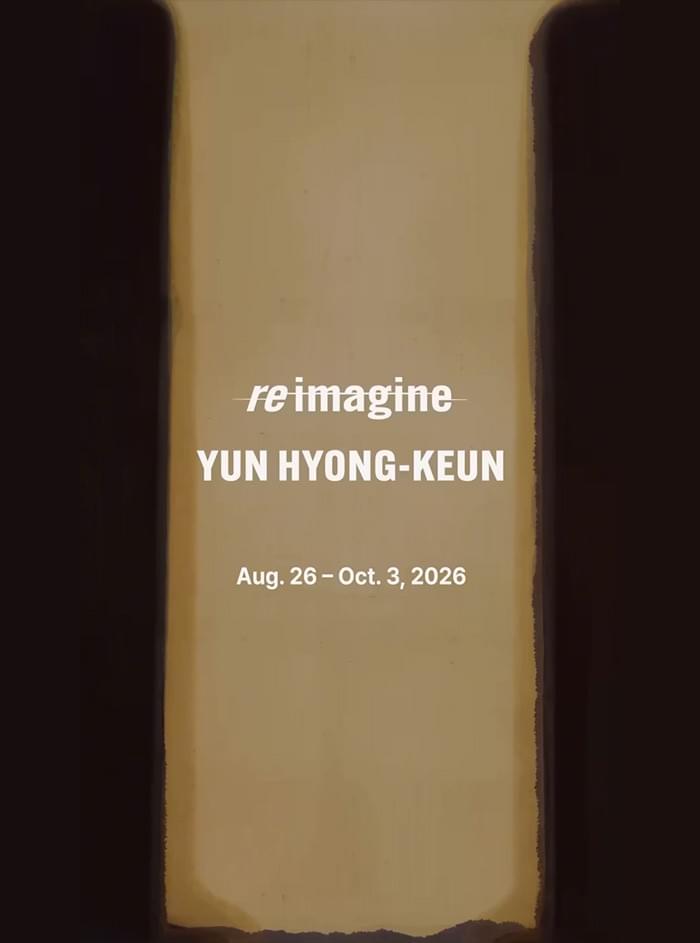
PKM Gallery is hosting "Re-imagine", a commemorative exhibition of works by Yoon Hyung-Keun (1928–2007), one of the key figures behind the Dansekhwa movement. The exhibition consists of 30 works created between the 1970s and the 2000s. His works have been shown at the 1969 and 1975 São Paulo Biennale, the 1995 Venice Biennale, and the 2000 Gwangju Biennale. In 2018, he became the first Dansekhwa artist to have a retrospective show dedicated to him hosted by the National Museum of Modern and Contemporary Art. His works can also be seen in the collections of the Tate Modern London, Mapa Chinati Foundation, Art Institute Chicago, and the Tokyo Metropolitan Art Museum.
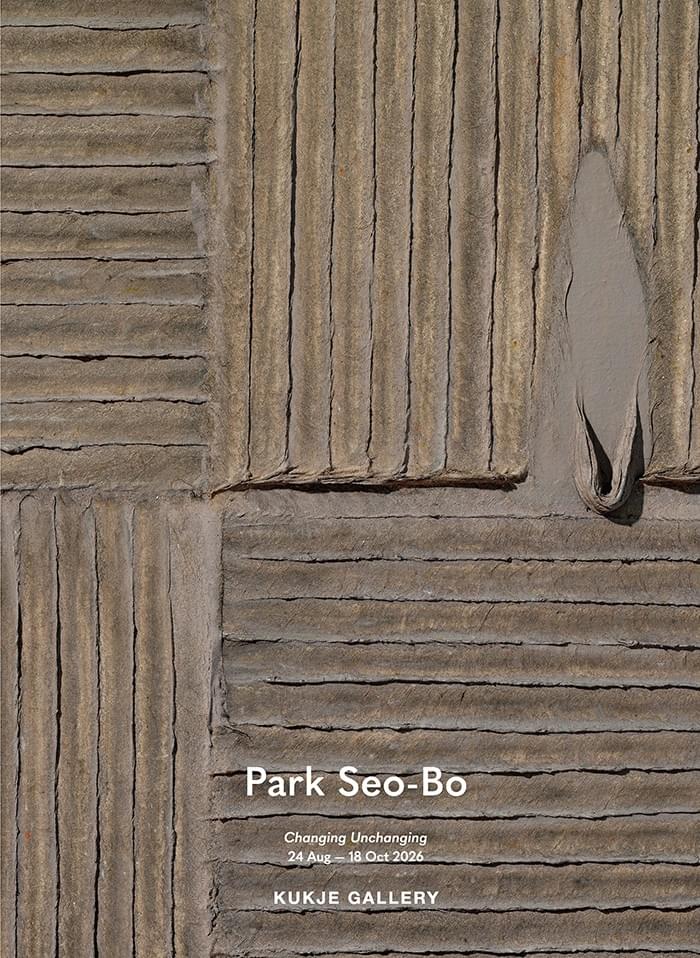
Kukje Gallery hosts a large-scale retrospective exhibition, "Changing Unchanging", showing works by artist Park Seo-Bo (1931–2023), another leading figure of the Dansekhwa movement, often called "the Father of Korean Contemporary Art". Visitors can view over 40 works and learn more about the philosophy behind Park's artistic world and, by extention, learn more about the philosophy of the entire Dansekhwa movement. He was awarded the Geumgwan Order of Cultural Merit (2021), the Asia Arts Game Changer Award (2018), and the Eungwan Order of Cultural Merit (2011). Works by him can be found in the collections of the Museum of Modern Art in New York, the Solomon R. Guggenheim Museum in New York, the Hirschhorn Museum in Washington, D.C., the Art Institute of Chicago, the Cleveland Museum of Art, the Toledo Museum, the Pompidou Center in Paris, the Tate Modern in London, the K20 State Museum of Art in North Rhine-Westphalia in Düsseldorf, the National Museum of Modern Art, the Museum of Contemporary Art Tokyo, and M+ in Hong Kong.
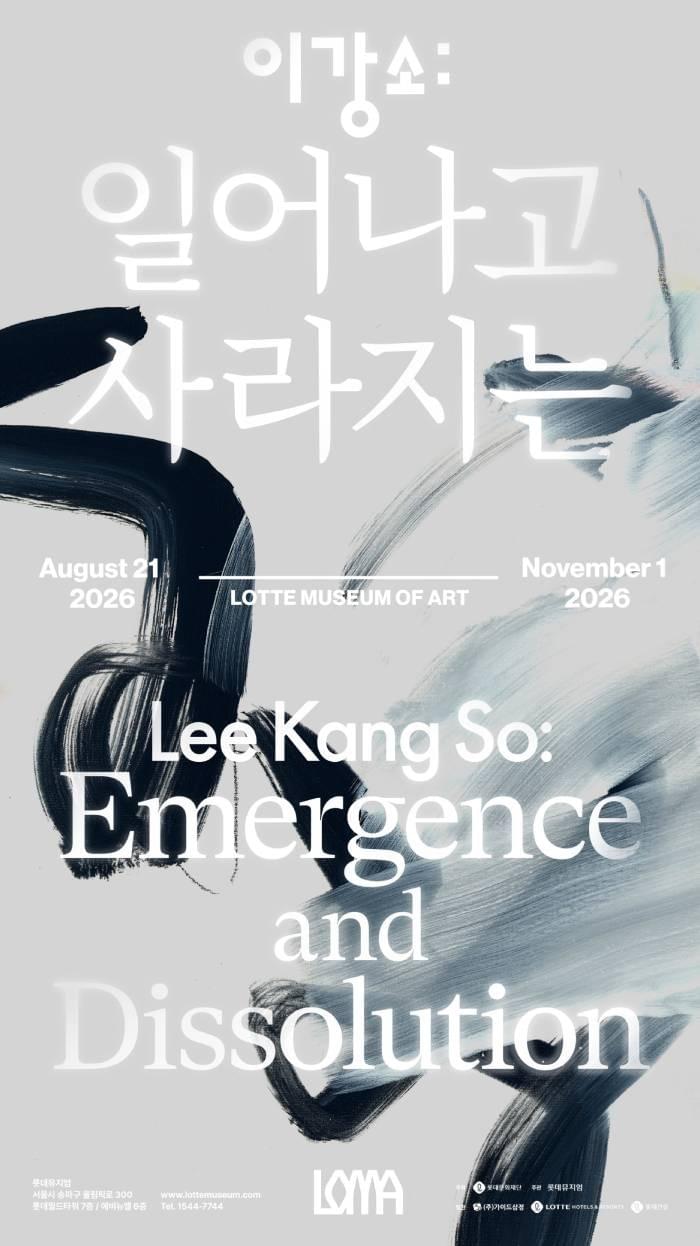
Lotte Museum of Art hosts "Lee Kang-So: Emergence and Dissolution", an exhibition of over 150 works by the artist including paintings, sculptures, and installations. Lee's artistic practice centers around the relationship between actions and traces, creation and extinction, the cycle of arising and disappearing. The show opens with new LED works reflected in mirrors on the opposite side of the hall asking visitors to question the continuum between cognition and reality.